Visit Our Hospital
No 7, Pari Towers, 7, 1st Main Rd, Macmillan Colony, Nanganallur, Chennai, Tamil Nadu 600061.
Get Directions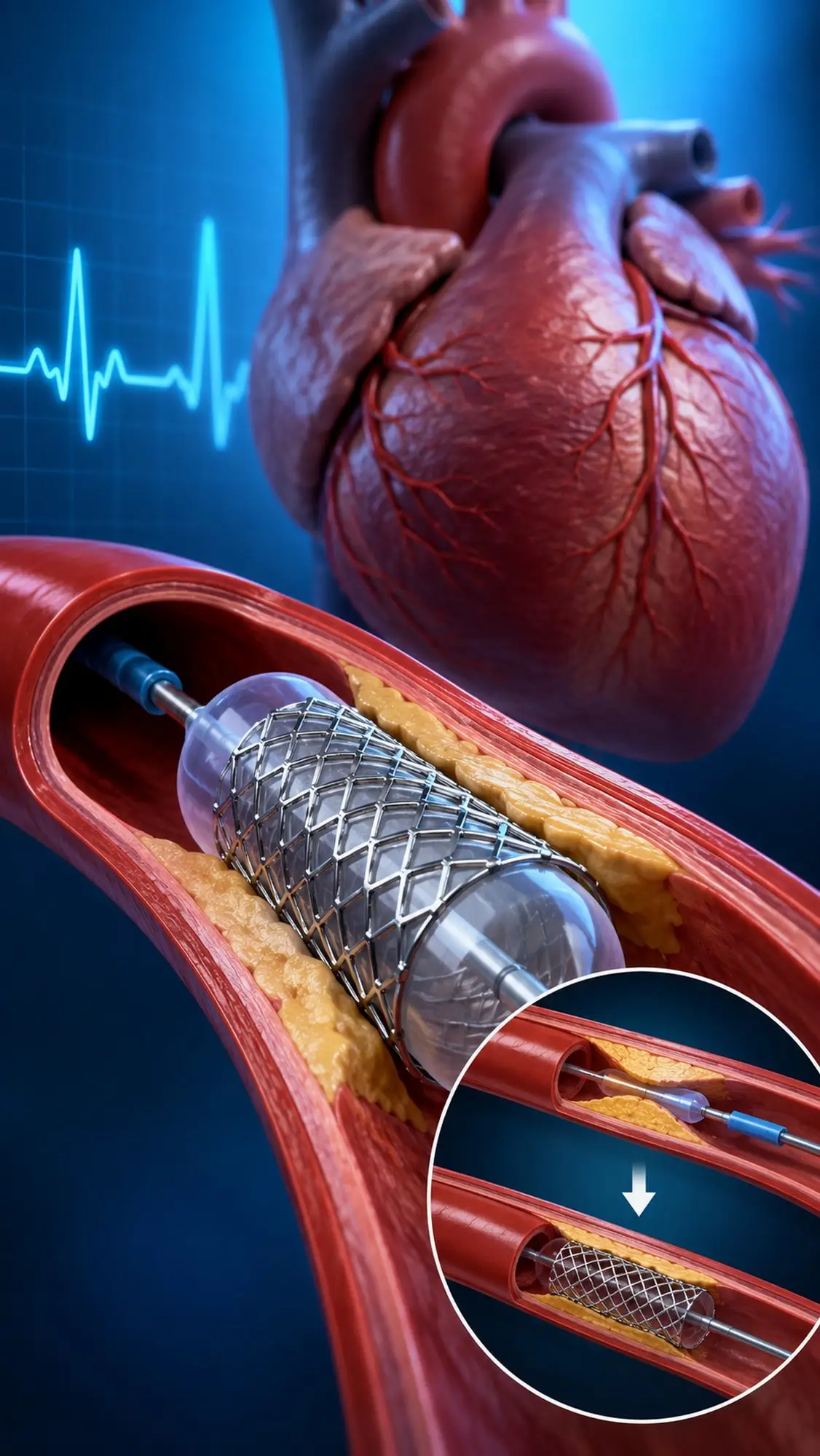
A blocked heart artery can quietly limit your life, or suddenly threaten it. Coronary angioplasty is a proven, minimally invasive treatment that reopens narrowed or blocked arteries and restores healthy blood flow to the heart, without open-heart surgery.
At Bharath Specialty Hospital, our experienced interventional cardiologists perform angioplasty and stenting in Chennai in an advanced cath lab. We use modern imaging, high-quality drug-eluting stents and strict safety protocols, so you get back to your life sooner, with a healthier heart.
The coronary arteries supply oxygen-rich blood to the heart muscle. In coronary artery disease (CAD), cholesterol, fat and calcium gradually build up as plaque along the artery walls. This plaque narrows the passage and restricts blood flow. Over time it can cause chest pain (angina), and if a plaque ruptures and a clot forms, a sudden heart attack.
CAD is one of the leading causes of death in India, and it is increasingly affecting people in their 30s and 40s. Early detection and timely heart blockage treatment make a dramatic difference to outcomes.
Watch out for these warning signs:
People with diabetes, older adults and women may have subtle or atypical symptoms. If you notice any of these signs, see a cardiologist promptly.
Before recommending angioplasty, our cardiology team carries out a thorough evaluation. This may include blood tests, an ECG, a chest X-ray, an echocardiogram, a treadmill test (TMT) and, most importantly, a coronary angiogram. The angiogram shows the exact location, number and severity of blockages. Based on these findings, your cardiologist will recommend the best option: medication, coronary angioplasty (PTCA) or bypass surgery (CABG).
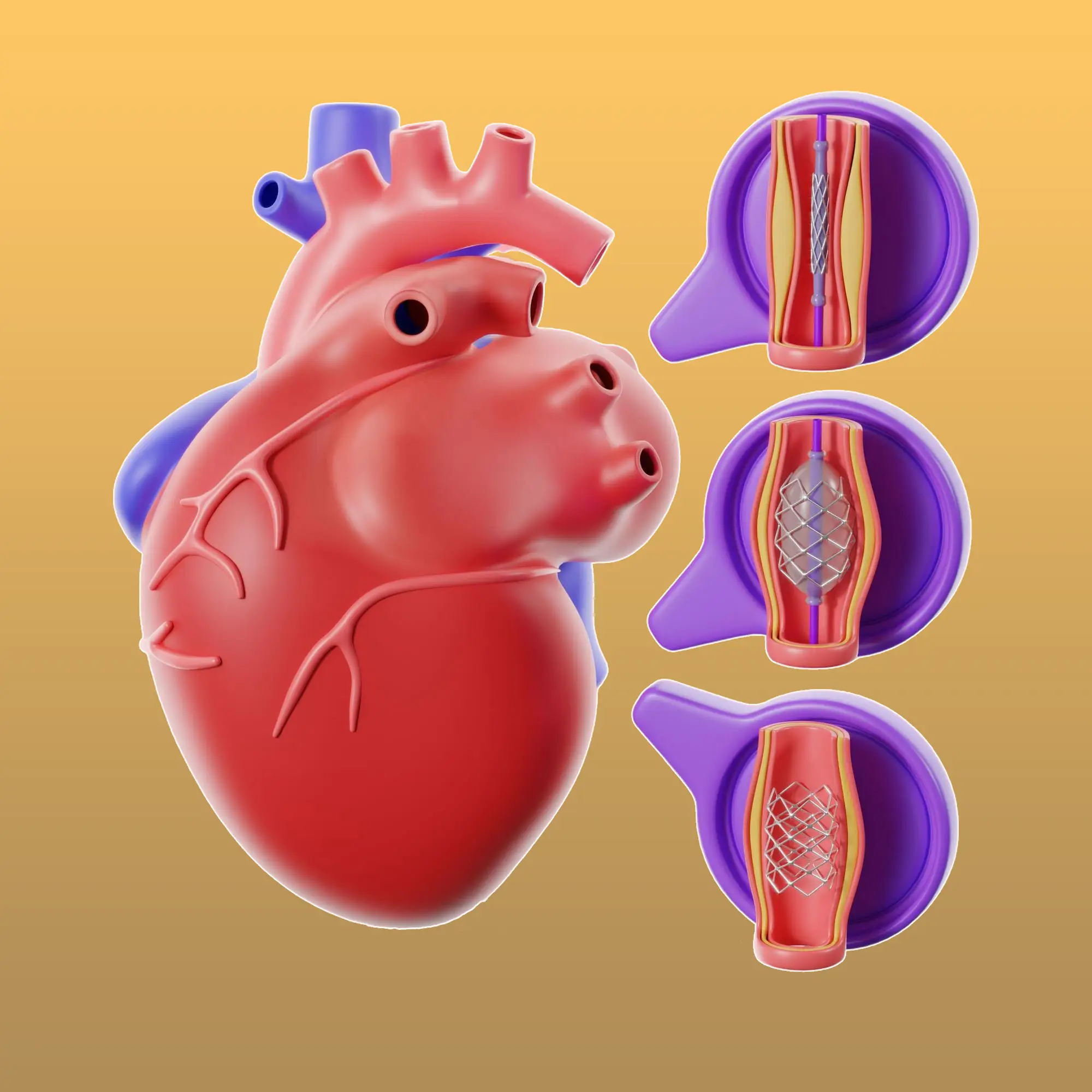
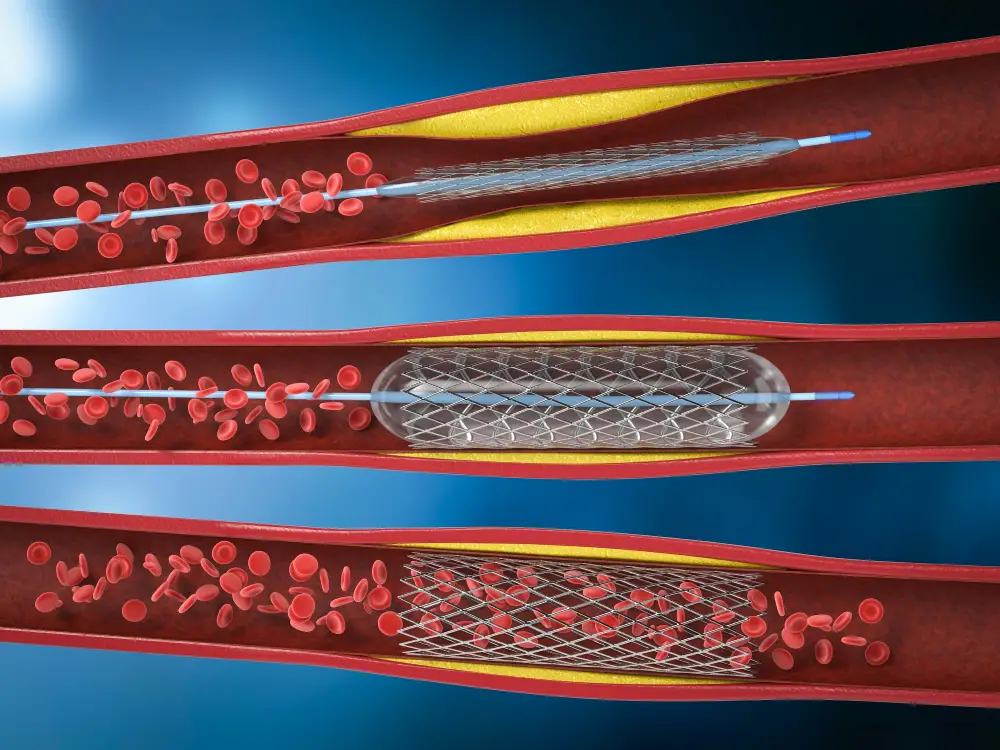
Coronary angioplasty, also called PTCA (Percutaneous Transluminal Coronary Angioplasty) or PCI, is a catheter-based procedure. A tiny balloon is used to widen a narrowed artery. In most cases, a small mesh tube called a stent is then placed to keep the artery open permanently. Because it is done through a small puncture in the wrist or groin, there are no large incisions, and recovery is much faster than after surgery.
Your cardiologist may recommend angioplasty treatment if you have:
 Coronary Angioplasty
A stent is a tiny, expandable metal mesh tube that holds the artery open after balloon angioplasty. The main types are:
Plain metal scaffolds, now used less often
Coated with medication that is released slowly to prevent scar tissue growth and re-narrowing (restenosis). These are the preferred choice for most patients today.
Designed to dissolve gradually over time, used in selected cases
Your cardiologist will choose the stent best suited to your artery size, blockage type and overall health.
During a heart attack, every minute counts, because heart muscle is lost as long as the artery stays blocked. Primary angioplasty is the fastest and most effective way to reopen the artery and save heart muscle. Bharath Specialty Hospital offers 24/7 emergency heart attack care, with a dedicated team ready to activate the cath lab without delay.
Coronary angioplasty is a well-established and safe procedure when performed by experienced specialists. Minor bruising at the access site is common. Serious complications are rare, such as bleeding, a reaction to the contrast dye, kidney strain, rhythm disturbances or re-narrowing of the artery. Our team carefully assesses your risk beforehand and monitors you closely afterward.

After the procedure, you will be monitored in our cardiac care unit. Most patients are moved to a room the next day and discharged within 1–2 days. Many return to normal routines within about a week.
For long-term success:
Don’t let heart blockages hold you back. Consult the expert cardiology team at Bharath Specialty Hospital, Chennai for safe and effective coronary angioplasty. Call +91 8905890534 to schedule an appointment, or reach our emergency department any time for urgent heart care.
Call Our Team WhatsApp UsBrowse our cardiac procedures, clinical departments, hospital facilities, and helpful resources.
No 7, Pari Towers, 7, 1st Main Rd, Macmillan Colony, Nanganallur, Chennai, Tamil Nadu 600061.
Get DirectionsSpeak with our team to arrange your appointment.
044 - 4770 7071 044 4781 7330 +91 89058 90534For general enquiries, connect with our hospital team by email or WhatsApp.
bshospitalao@gmail.com bshospitalreception@gmail.com +91 89058 90534Follow our updates, explore patient stories, and learn more about our care.
Review us on Google Official Website
