Rota-Assisted PTCA (Rotablation) in Chennai at Bharath Specialty Hospital

Coronary Angioplasty in Chennai at Bharath Specialty Hospital

Not all heart blockages are the same. Some arteries become so hard with calcium deposits that a standard balloon cannot open them, and a stent cannot expand properly. For these challenging cases, rota-assisted PTCA, also known as rotablation angioplasty, offers a safe and effective solution.

At Bharath Specialty Hospital, Chennai, our experienced interventional cardiologists perform rotational atherectomy in an advanced cath lab with modern imaging support. This gives patients with complex, calcified blockages the chance of successful angioplasty, often avoiding the need for open-heart bypass surgery.

What Is a Calcified Coronary Artery Blockage?

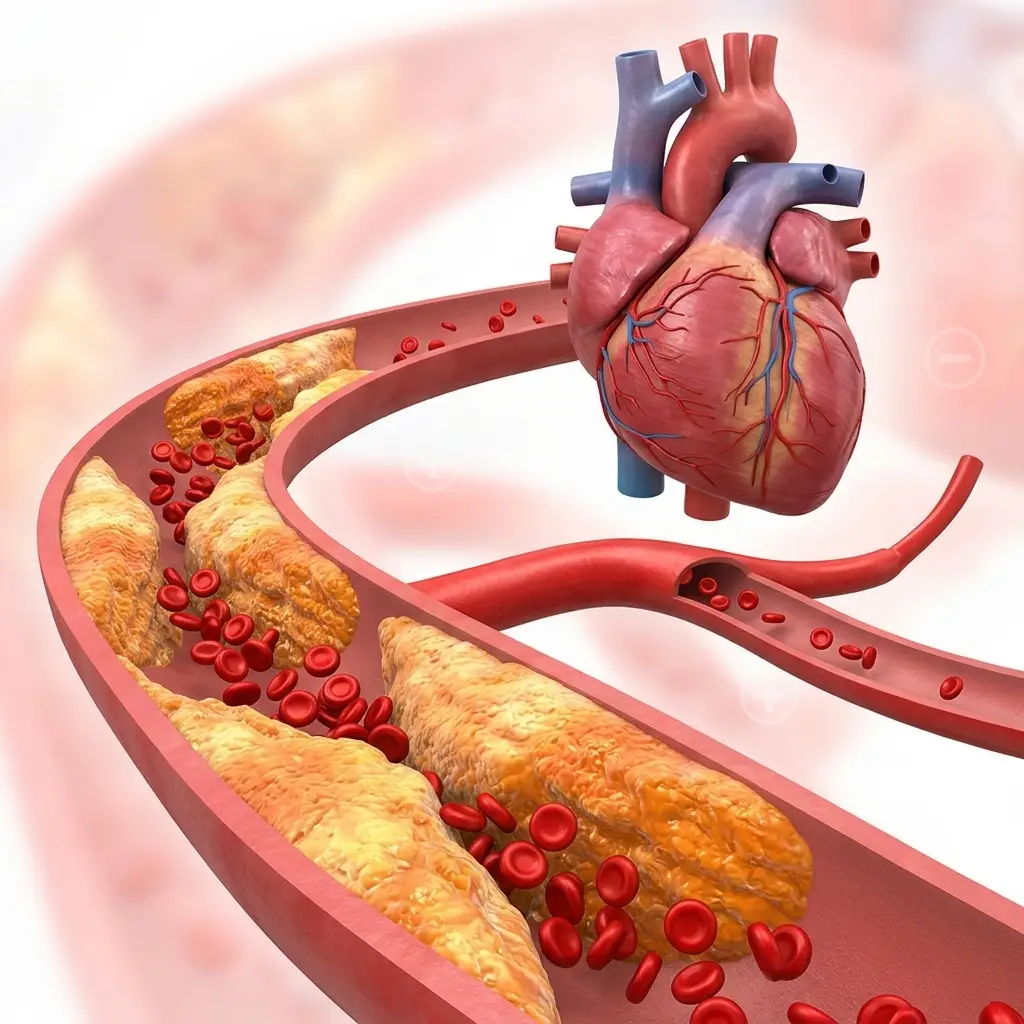
Coronary artery disease develops when plaque made of cholesterol, fat and inflammatory cells builds up inside the heart’s arteries. Over many years, calcium can get deposited within this plaque, turning it rock-hard. This is known as a calcified coronary artery blockage.

Coronary Artery Disease

Calcification is more common in:

  • Older adults
  • People with long-standing diabetes
  • Patients with chronic kidney disease or on dialysis
  • Smokers
  • People with long-term high blood pressure or high cholesterol

Why Is Calcium a Problem in Angioplasty?

In routine angioplasty, a balloon is inflated to compress the plaque and a stent is placed to keep the artery open. Calcium in heart arteries, however, creates several challenges:

  • The balloon may fail to cross or fully open the blockage
  • The stent may not expand completely or sit well against the artery wall
  • Poorly expanded stents carry a higher risk of re-narrowing and clot formation
  • Forcing a balloon at high pressure can tear the artery

Rotablation solves these problems by preparing the artery before balloon dilation and stenting.

What Is Rota-Assisted PTCA?

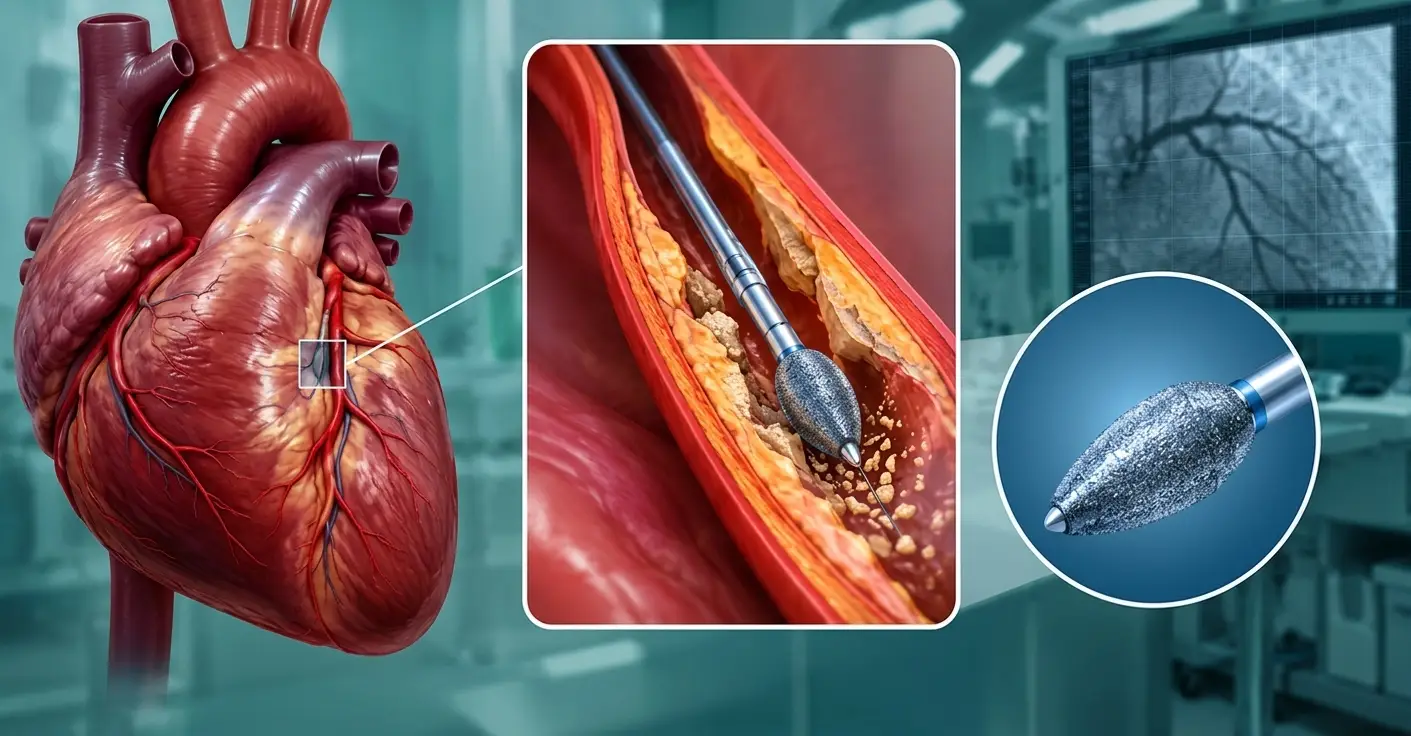
Rota-assisted PTCA combines rotational atherectomy with standard angioplasty (PTCA). A special catheter with a tiny diamond-coated burr at its tip rotates at very high speed. It gently grinds the hard calcium into microscopic particles, smaller than red blood cells, which are safely carried away by the bloodstream.

Once the calcium has been modified, the artery becomes more flexible. This allows the balloon to open it fully and the stent to expand to its proper size. The result is a well-opened artery with better long-term durability.

Who Needs Rotablation Angioplasty?

Your cardiologist may recommend angioplasty for hard blockages using rotablation if you have:

  • Heavily calcified blockages seen on a coronary angiogram, IVUS or OCT
  • Blockages that a standard balloon cannot cross or open
  • A previous failed angioplasty attempt due to calcium
  • Complex blockages at a branch point or the start of an artery
  • High surgical risk, making bypass surgery less suitable
  • A preference for a minimally invasive alternative to bypass surgery, where it is medically appropriate

Symptoms That May Indicate Complex Blockages

  • Chest pain or tightness (angina), especially on exertion
  • Breathlessness during routine activities
  • Reduced exercise capacity or early fatigue
  • Pain radiating to the arm, jaw, neck or back
  • Sweating, dizziness or palpitations
  • A previous heart attack

How Are Calcified Blockages Diagnosed?

Our cardiology team uses a combination of tests to assess calcium and plan treatment:

ECG, echocardiogram and treadmill test (TMT)

CT coronary angiogram and calcium scoring

Coronary angiography to locate blockages

IVUS (Intravascular Ultrasound) or OCT (Optical Coherence Tomography) to measure the depth, thickness and spread of calcium from inside the artery IVUS-guided angioplasty helps our cardiologists decide whether rotablation is needed, choose the right burr size and confirm the best stent results.

How Is Rota-Assisted PTCA Performed?

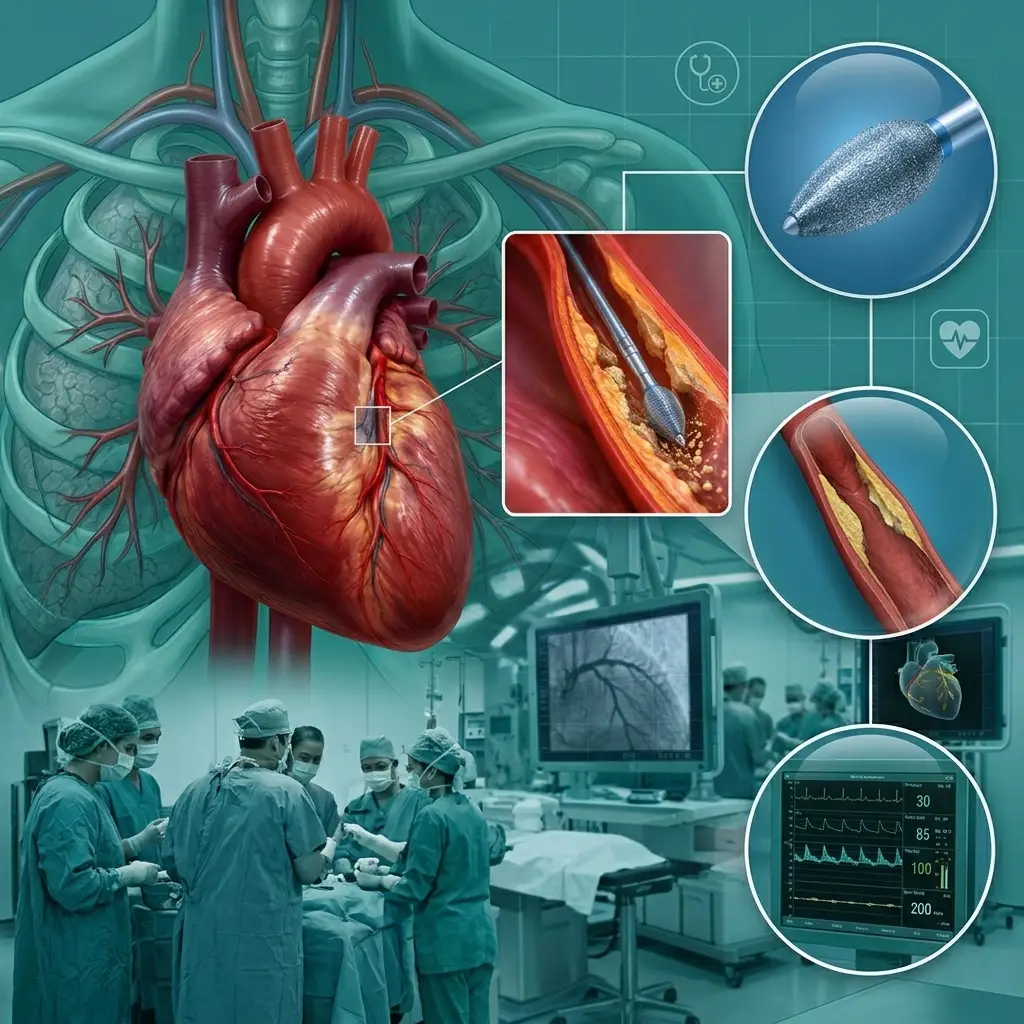
Coronary angiogram procedure in the cath lab Rota-Assisted PTCA (Rotablation)
  1. 1
    Preparation: The procedure is performed in the cath lab under local anaesthesia, usually through the wrist (radial) or groin (femoral) artery. You remain awake and comfortable.
  2. 2
    Angiogram and imaging: The blockage is assessed with angiography, and IVUS/OCT if needed.
  3. 3
    Guidewire placement: A special rotablation wire is carefully passed across the calcified blockage.
  4. 4
    Rotablation: The burr catheter is moved over the wire and activated in short, controlled runs. It smoothly shaves away the hard calcium.
  5. 5
    Balloon dilation: The prepared artery is widened with a balloon.
  6. 5
    Stent placement : A drug-eluting stent is implanted and expanded fully against the artery wall.
  7. 5
    Final confirmation: Imaging confirms optimal stent expansion and restored blood flow.
  8. 5

The procedure generally takes 1 to 2 hours, depending on how complex the blockage is.

Benefits of Rota-Assisted PTCA

  • Successful treatment of blockages that standard angioplasty cannot open
  • Better stent expansion and positioning
  • Lower risk of stent re-narrowing and clotting
  • Improved blood flow to the heart muscle
  • Effective relief from chest pain and breathlessness
  • A minimally invasive option that may avoid bypass surgery in suitable patients
  • Faster recovery and a shorter hospital stay than surgery

Is Rotablation Safe?

Rotablation is a well-established technique in complex angioplasty. When performed by trained and experienced operators, it has a high success rate. As with any advanced procedure, there are some risks. These include temporary slow blood flow, artery dissection or perforation, rhythm disturbances, bleeding and reactions to the contrast dye. Serious complications are uncommon. Our team takes careful precautions and monitors you closely before, during and after the procedure.

Recovery After Rotablation Angioplasty

After the procedure, you will be monitored in the cardiac care unit. Most patients are discharged within 1–3 days and can return to light activities within a week.

For long-term success:

  • Take antiplatelet and other prescribed medicines without fail
  • Control diabetes, blood pressure and cholesterol
  • Quit smoking and limit alcohol
  • Follow a heart-healthy diet and stay active
  • Join a cardiac rehabilitation programme if advised
  • Attend regular follow-up visits with your cardiologist

Why Choose Bharath Specialty Hospital for Rotablation in Chennai?

Skilled interventional cardiologists experienced in complex and high-risk angioplasty
An advanced cath lab with rotablation, IVUS and OCT support
Imaging-guided precision for better stent results
A heart team approach, with cardiologists and cardiac surgeons jointly planning the safest treatment
A dedicated cardiac care unit for post-procedure monitoring
Transparent costs, with insurance and cashless assistance

Frequently Asked Questions

No. It is done under local anaesthesia. Some patients feel mild chest discomfort during balloon inflation.

Standard angioplasty uses only a balloon and stent. Rota PTCA first removes hard calcium with a rotating burr, so the balloon and stent can work effectively.

In many suitable patients, yes. Our heart team will review your angiogram and recommend the best option for you.

Most insurance plans cover it. Our insurance desk will help you with approvals.

Book a Consultation Today

Have you been told your blockage is too hard for routine angioplasty? You still have options. Consult the expert cardiology team at Bharath Specialty Hospital, Chennai for advanced rota-assisted PTCA. Call +91 8905890534 to book your appointment.

Call Our Team WhatsApp Us
Quick Links

Find the care and information you need

Browse our cardiac procedures, clinical departments, hospital facilities, and helpful resources.

Visit Our Hospital

No 7, Pari Towers, 7, 1st Main Rd, Macmillan Colony, Nanganallur, Chennai, Tamil Nadu 600061.

Get Directions
whatsapp
Call us