Visit Our Hospital
No 7, Pari Towers, 7, 1st Main Rd, Macmillan Colony, Nanganallur, Chennai, Tamil Nadu 600061.
Get Directions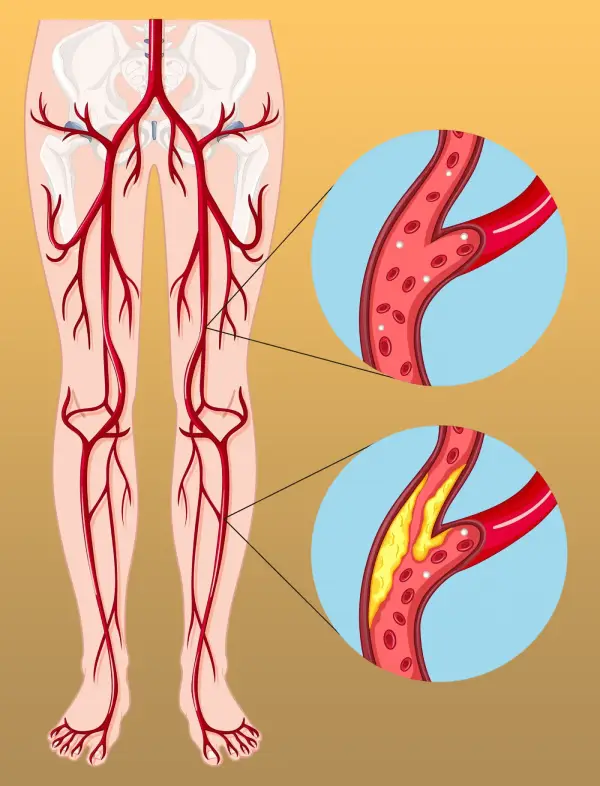
Do your legs cramp or ache when you walk, and feel better only when you stop and rest? Do you have a foot wound that refuses to heal? These may be signs of peripheral artery disease (PAD), a serious but treatable condition in which blocked arteries reduce blood flow to the limbs.
At Bharath Specialty Hospital , Chennai, we offer advanced peripheral angiogram and peripheral angioplasty to diagnose and treat artery blockages in the legs, arms, kidneys and neck. All procedures are performed in a modern cath lab by experienced interventional specialists, using minimally invasive techniques that help restore circulation, relieve pain and protect your limbs.
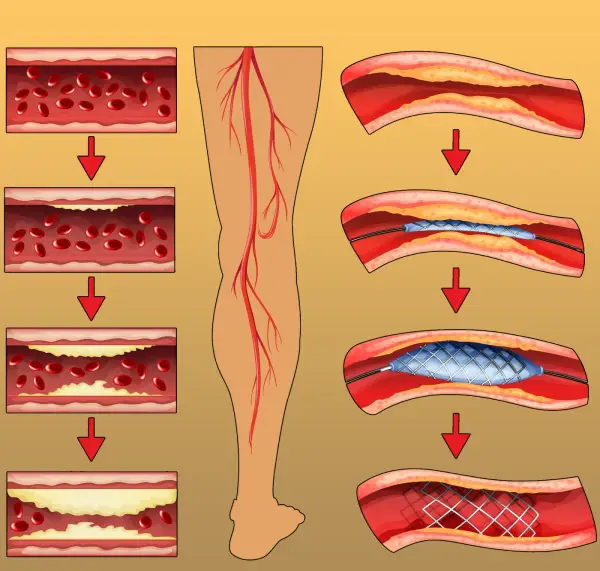
Peripheral artery disease (PAD) occurs when arteries outside the heart, most commonly in the legs, become narrowed or blocked by plaque. This process is called atherosclerosis, the same disease that causes heart attacks when it affects the coronary arteries.
When the leg arteries narrow, muscles and tissues don’t get enough oxygen-rich blood, especially during activity. In advanced cases, poor circulation can lead to non-healing wounds, infection, gangrene and even amputation. People with PAD are also at higher risk of heart attack and stroke, which makes early diagnosis doubly important.
Many people dismiss leg pain as a normal part of ageing. If you have diabetes or smoke, any of these symptoms deserves prompt medical attention.
Critical limb ischemia (CLI) is the most severe stage of PAD, where blood flow is so poor that tissue begins to die. Signs include pain at rest, non-healing ulcers and gangrene. CLI needs urgent treatment to restore circulation, because timely angioplasty can make the difference between saving and losing a limb. Limb salvage is a key focus of our vascular care team.
Our specialists begin with a detailed examination and non-invasive tests, such as:
Compares blood pressure in the ankle and the arm
Shows blood flow and the location of narrowing
Gives detailed 3D images of the arteries
If significant blockage is suspected, a peripheral angiogram is recommended to confirm the diagnosis and plan treatment.
A peripheral angiogram is a specialised X-ray test that shows the inside of the arteries in your legs, arms, kidneys or other organs. It is considered the gold standard for mapping peripheral artery blockages.
The test is usually completed in 30–45 minutes, and you remain awake and comfortable throughout.
The arteries are clear, with good blood flow.
One or more blockages are found, and the images help our team decide the most suitable treatment.
Based on your angiogram findings and overall health, our team may recommend:

Medicines to improve blood flow, prevent clots and control cholesterol, blood pressure and diabetes, along with a supervised walking programme

A minimally invasive procedure to reopen blocked arteries.

Creating a new pathway for blood flow around long or complex blockages.
Peripheral angioplasty, also known as PTA (Percutaneous Transluminal Angioplasty), is a minimally invasive procedure to open narrowed or blocked arteries in the limbs. In many cases, it can be performed in the same sitting as the angiogram.
Most patients are discharged within 1–2 days and can resume light activities within a few days. For lasting results:
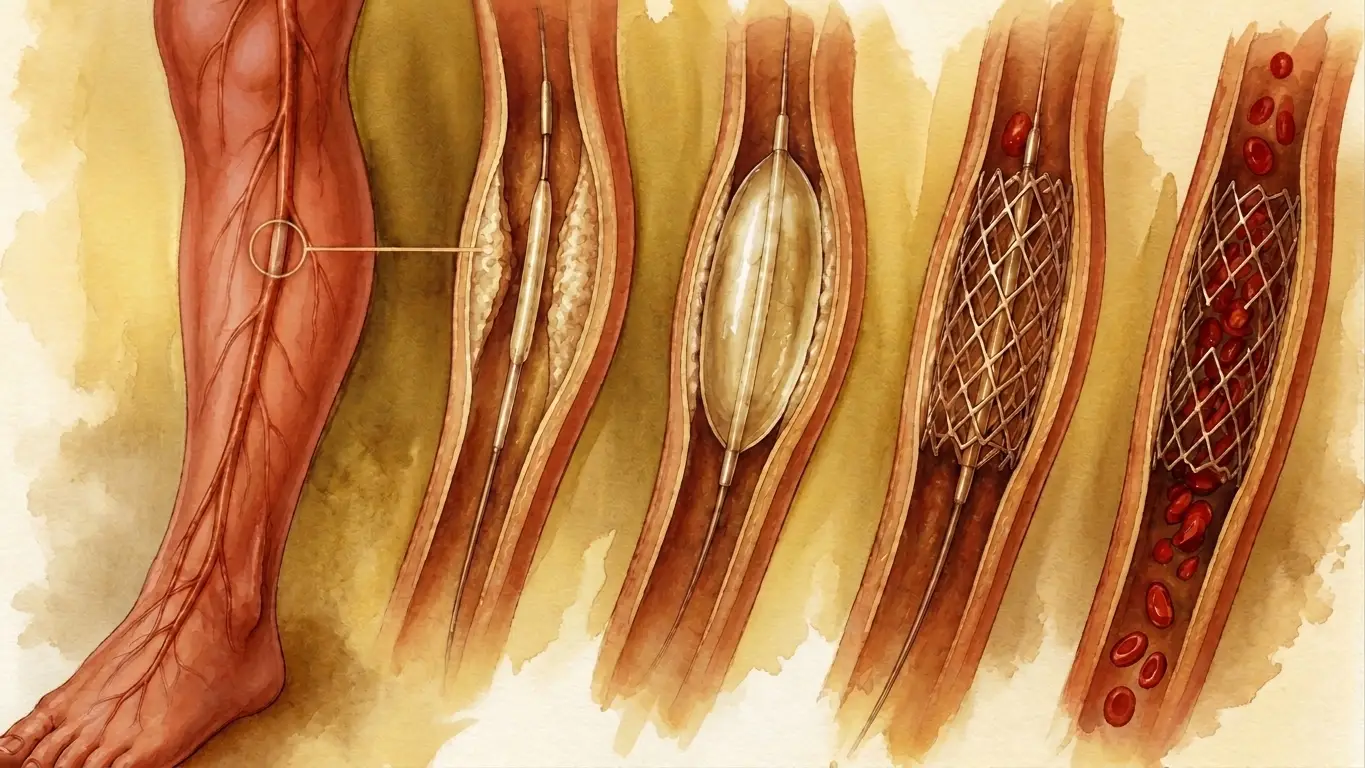 Peripheral Angiogram & Angioplasty
Besides leg arteries, angioplasty can also treat blockages in the renal (kidney) arteries, subclavian (arm) arteries and carotid (neck) arteries in selected patients.
Peripheral angioplasty is a well-established, safe procedure when performed by experienced specialists. Minor bruising at the puncture site is common. Serious complications are rare, such as bleeding, a reaction to the contrast dye, kidney strain or re-narrowing of the artery. Our team takes special precautions for patients with diabetes and kidney disease.
Most patients are discharged within 1–2 days and can resume light activities within a few days. For lasting results:
Don’t ignore leg pain or a wound that won’t heal. Early treatment can save your limb and protect your heart. Consult the specialists at Bharath Specialty Hospital, Chennai for expert peripheral angiogram and angioplasty. +91 8905890534 to book your appointment.
Call Our Team WhatsApp UsBrowse our cardiac procedures, clinical departments, hospital facilities, and helpful resources.
No 7, Pari Towers, 7, 1st Main Rd, Macmillan Colony, Nanganallur, Chennai, Tamil Nadu 600061.
Get DirectionsSpeak with our team to arrange your appointment.
044 - 4770 7071 044 4781 7330 +91 89058 90534For general enquiries, connect with our hospital team by email or WhatsApp.
bshospitalao@gmail.com bshospitalreception@gmail.com +91 89058 90534Follow our updates, explore patient stories, and learn more about our care.
Review us on Google Official Website
