TAVR (Transcatheter Aortic Valve Replacement) in Chennai at Bharath Specialty Hospital

Coronary Angioplasty in Chennai at Bharath Specialty Hospital

For many older adults, severe narrowing of the aortic valve brings breathlessness, chest pain and fainting spells, and it steadily takes away independence. Until recently, open-heart surgery was the only way to replace the valve. For elderly patients or those with other health problems, that surgery can carry significant risk.

Transcatheter Aortic Valve Replacement (TAVR), also called TAVI (Transcatheter Aortic Valve Implantation), has transformed this picture. It offers aortic valve replacement without surgery: a new valve is placed through a small puncture in the leg. At Bharath Specialty Hospital, Chennai, our structural heart team performs TAVR in an advanced cath lab, helping patients walk the next day and return to a fuller life within a week.

What Is Aortic Stenosis?

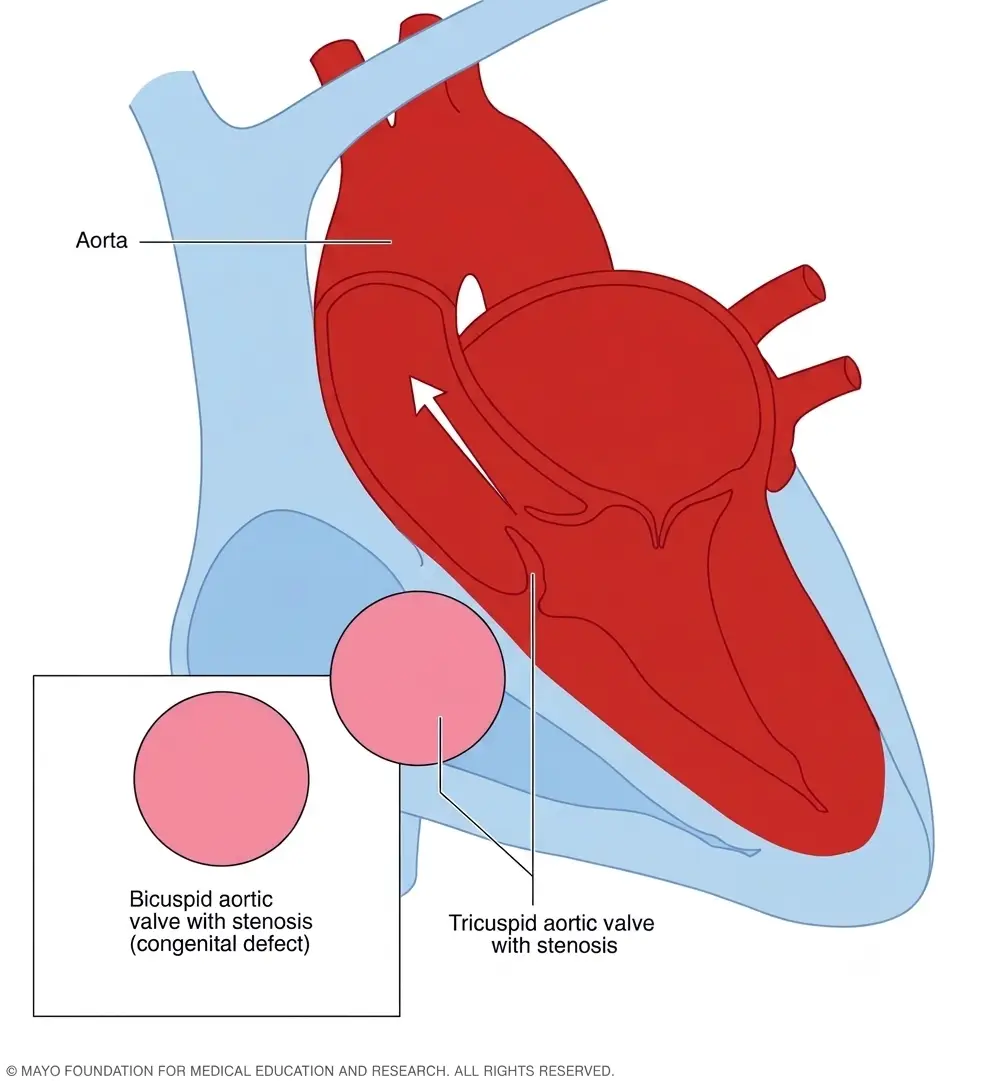
The aortic valve controls blood flow from the heart’s main pumping chamber (left ventricle) into the aorta, the body’s largest artery. In aortic stenosis, the valve leaflets become thickened, stiff and calcified, and they cannot open fully. The heart has to pump much harder to push blood through the narrowed opening. Over time, this thickens and weakens the heart muscle.

Coronary Artery Disease

Common Causes

  • Age-related calcium build-up: The most common cause in people over 65
  • Bicuspid aortic valve: A valve born with two leaflets instead of three, which wears out earlier
  • Rheumatic heart disease: Still a cause in India
  • Radiation therapy to the chest or chronic kidney disease

Symptoms of Severe Aortic Stenosis

  • Breathlessness, especially on exertion
  • Chest pain or tightness (angina)
  • Dizziness or fainting, particularly during activity
  • Fatigue and reduced ability to do daily tasks
  • Palpitations
  • Swelling of the feet and ankles
  • Difficulty walking short distances

Once symptoms appear, severe aortic stenosis progresses quickly and can be life-threatening if untreated. Medicines can ease symptoms but cannot fix the narrowed valve. Valve replacement is the only effective treatment.

What Is TAVR?

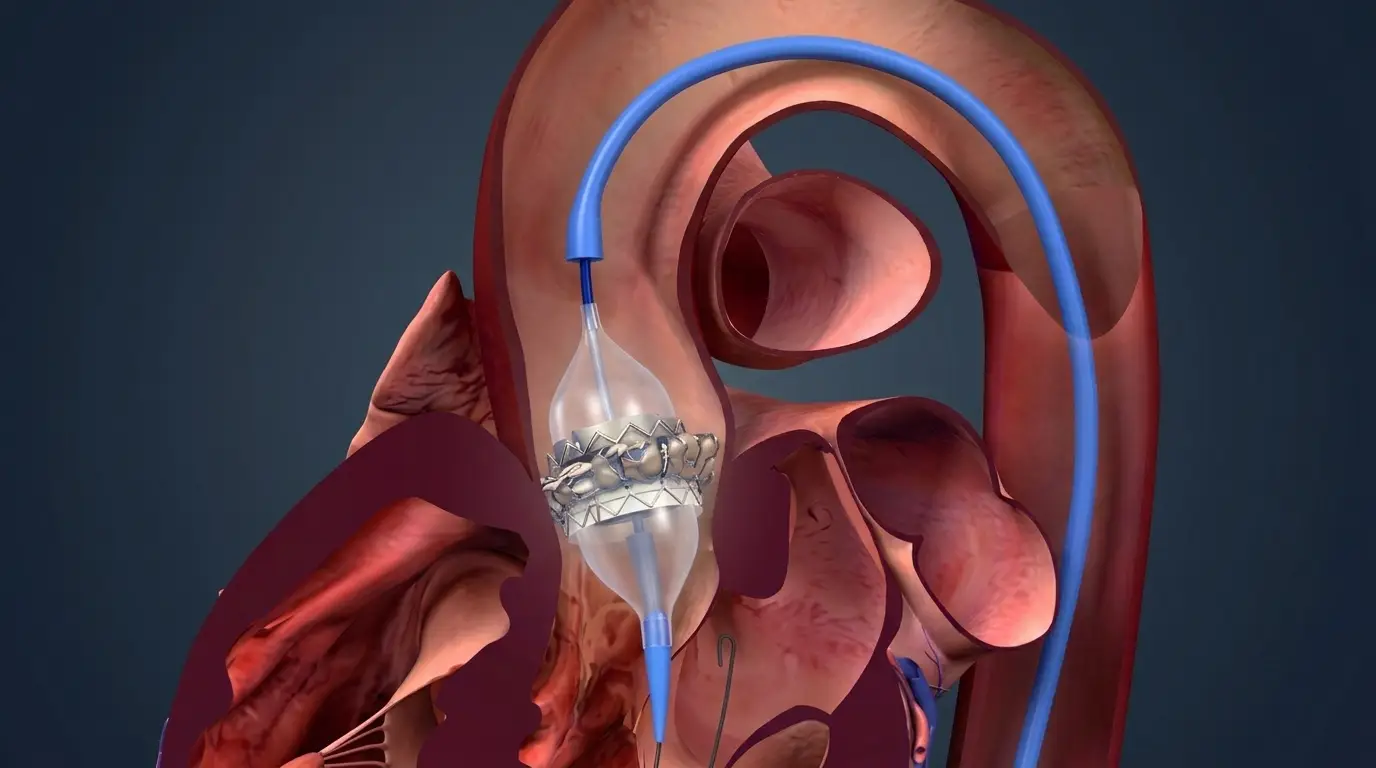
TAVR is a minimally invasive valve replacement procedure. A new, collapsible tissue valve, mounted on a metal frame, is guided through an artery to the heart using a catheter. Once in position inside the diseased valve, the new valve is expanded. It pushes the old leaflets aside and immediately takes over the job of regulating blood flow.

Unlike surgery, TAVR does not require opening the chest, stopping the heart or using a heart-lung machine.

Who Is a Candidate for TAVR?

TAVR may be recommended for patients with severe aortic stenosis who are:

  • Elderly (generally 70–75 years and above)
  • At high or intermediate risk for open-heart surgery
  • Living with other conditions, such as lung disease, kidney disease, frailty or a previous heart surgery
  • Unable to undergo surgery safely
  • Patients with a failing surgical tissue valve (valve-in-valve TAVR)
  • In selected cases, lower-risk patients after a heart team discussion

Every patient is evaluated by our heart team, which includes interventional cardiologists, cardiac surgeons, imaging specialists and anaesthesiologists. Together, they decide whether TAVR or surgery is the best option.

Evaluation Before TAVR

  • Echocardiography (2D Echo): Confirms how severe the stenosis is and assesses heart function
  • CT angiography (TAVR CT): Measures the valve size precisely and checks the leg arteries for access
  • Coronary angiogram: Checks for blockages in the heart arteries
  • ECG, blood tests and lung function tests
  • Frailty and overall health assessment

This detailed planning ensures the right valve size, type and approach for each patient.

How Is TAVR Performed?

Coronary angiogram procedure in the cath lab Transcatheter Aortic Valve Replacement
  1. 1
    Anaesthesia: Usually local anaesthesia with conscious sedation. General anaesthesia is used in selected cases.
  2. 2
    Access: A small puncture is made in the femoral artery in the groin. This is called transfemoral TAVR, the most common and least invasive route.
  3. 3
    Temporary pacing: A temporary pacing wire is placed to control the heart rate during valve deployment.
  4. 4
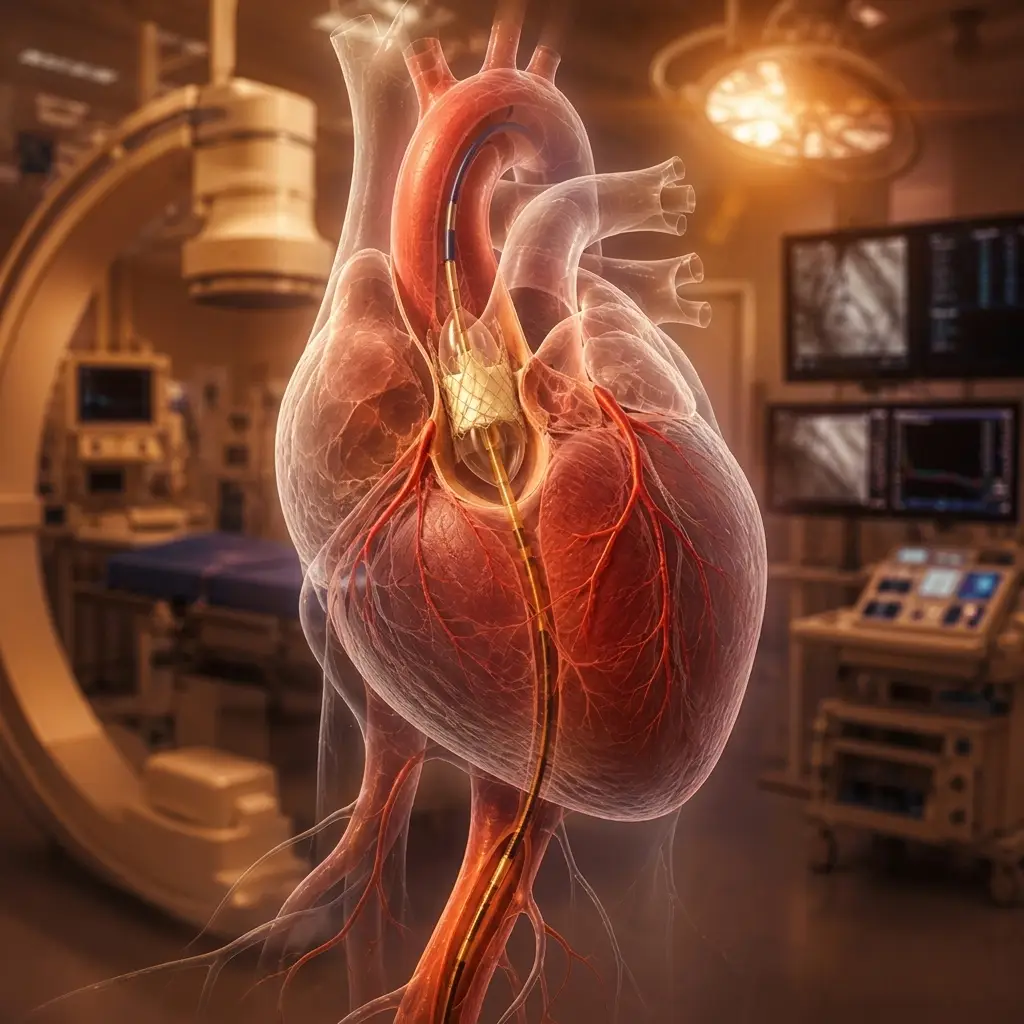
    Valve delivery: The new valve, compressed onto a catheter, is guided to the diseased aortic valve under X-ray and echo guidance.
  5. 5
    Valve deployment: The valve is expanded with a balloon or self-expands into place, taking over function immediately.
  6. 6
    Confirmation :Imaging confirms correct positioning and good valve function.
  7. 7
    Closure :The access site is sealed with a closure device, without the need for surgical stitches.

The procedure typically takes 1 to 2 hours.

Types of TAVR Valves

  • Balloon-expandable valves: Expanded into position with a balloon
  • Self-expanding valves Open on their own once released

Your heart team will choose the valve best suited to your anatomy.

TAVR vs Open-Heart Valve Surgery

Feature TAVR Surgical Aortic Valve Replacement (SAVR)
Chest incision None (small puncture in the groin) Yes (sternotomy)
Heart-lung machine Not required Required
Anaesthesia Usually local with sedation General
Walking after procedure Usually the next day Several days
Hospital stay About 2–4 days 7–10 days
Return to routine About 1 week 6–8 weeks

Benefits of TAVR

  • No open-heart surgery and no large chest scar
  • An option for patients considered too high-risk for surgery
  • Immediate improvement in blood flow
  • Rapid relief from breathlessness, chest pain and fainting
  • Walking within 24 hours in most cases
  • Short hospital stay and faster recovery
  • Better quality of life and independence
  • Improved survival compared with medical therapy alone in severe aortic stenosis

Is TAVR Safe?

TAVR is a well-established procedure with excellent outcomes in experienced centres. As with any heart procedure, there are risks. These include bleeding or injury to blood vessels, stroke, a need for a permanent pacemaker in some patients, leakage around the valve, kidney strain from the contrast dye, and, rarely, valve displacement. Careful planning with CT imaging and a heart team approach help keep these risks low.

Recovery After TAVR

  • Most patients walk the next day
  • Hospital discharge usually in 2–4 days
  • Return to routine activities in about 1 week
  • Blood thinners (antiplatelet or anticoagulant medicines) as prescribed
  • Avoid heavy lifting for 1–2 weeks
  • Regular follow-up with echocardiography to monitor the valve
  • Good dental hygiene and antibiotics before dental procedures to protect the new valve
  • Participation in cardiac rehabilitation to rebuild strength

Why Choose Bharath Specialty Hospital for TAVR in Chennai?

An experienced structural heart team of interventional cardiologists and cardiac surgeons
An advanced cath lab with high-resolution imaging and echo guidance
Detailed CT-based planning for precise valve sizing
Multiple valve options, both balloon-expandable and self-expanding
Expertise in valve-in-valve TAVR for failing surgical valves
A dedicated cardiac care unit and rehabilitation support
Transparent TAVR cost in Chennai, with insurance assistance

Frequently Asked Questions

No. It is usually done under local anaesthesia with sedation, and most patients feel only mild discomfort at the groin.

Current data shows good durability for many years. Your heart team will monitor the valve with regular check-ups.

TAVR is often ideal for elderly patients, including those in their 80s and 90s, who are fit enough to benefit.

Coverage varies by policy. Our insurance desk will guide you through approvals.

Book a Consultation Today

Severe aortic stenosis doesn’t have to mean open-heart surgery. Discover whether TAVR is right for you or your loved one. Consult the structural heart team at Bharath Specialty Hospital, Chennai. Call +91 8905890534 to book your appointment.

Call Our Team WhatsApp Us
Quick Links

Find the care and information you need

Browse our cardiac procedures, clinical departments, hospital facilities, and helpful resources.

Visit Our Hospital

No 7, Pari Towers, 7, 1st Main Rd, Macmillan Colony, Nanganallur, Chennai, Tamil Nadu 600061.

Get Directions
whatsapp
Call us