Visit Our Hospital
No 7, Pari Towers, 7, 1st Main Rd, Macmillan Colony, Nanganallur, Chennai, Tamil Nadu 600061.
Get Directions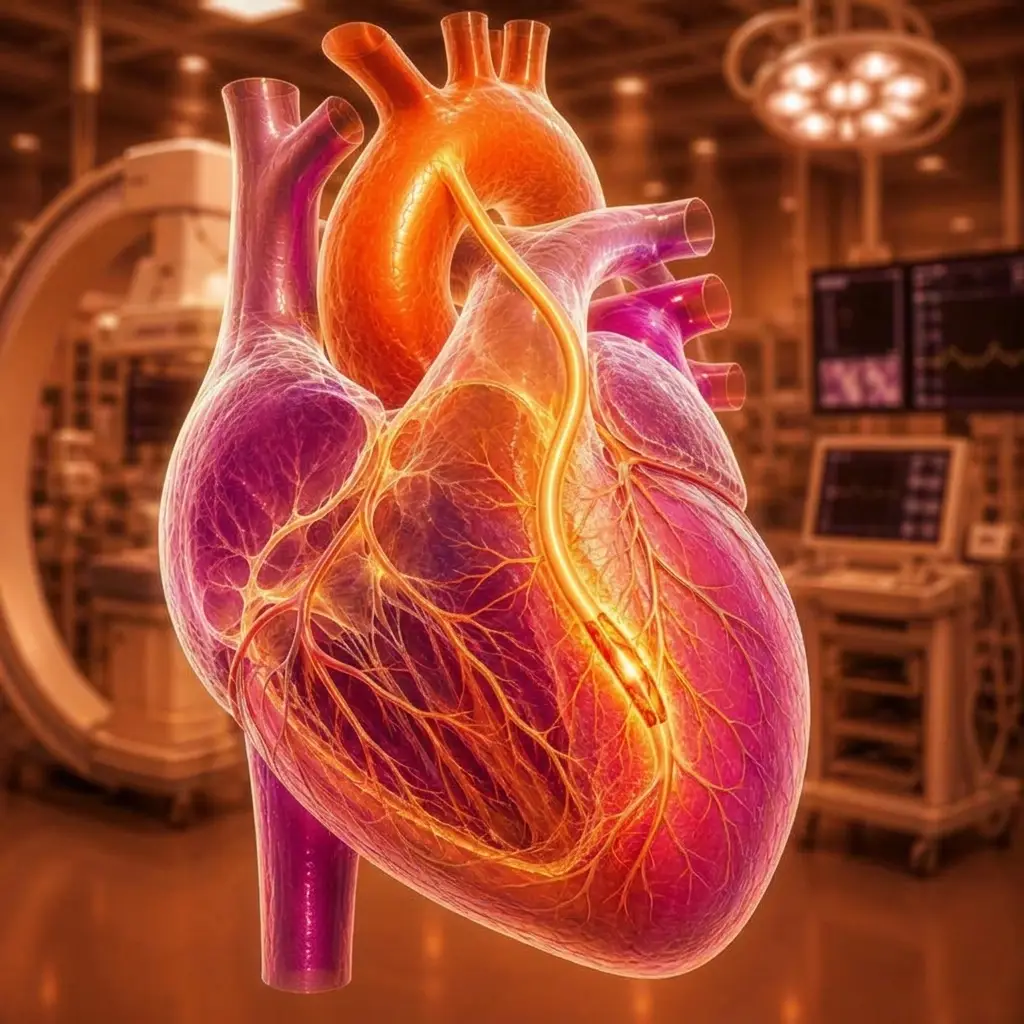
When several heart arteries are severely blocked, or the blockages are too complex for stents, the heart muscle is starved of oxygen. This raises the risk of heart attack and heart failure. For these patients, Coronary Artery Bypass Graft (CABG) surgery remains one of the most effective and durable treatments in modern medicine.
At Bharath Specialty Hospital, Chennai, our experienced cardiac surgeons perform heart bypass surgery using advanced techniques, including beating-heart (off-pump) CABG and arterial grafting. With a dedicated cardiac ICU and a full heart team, we focus on safe surgery, smooth recovery and long-lasting results.
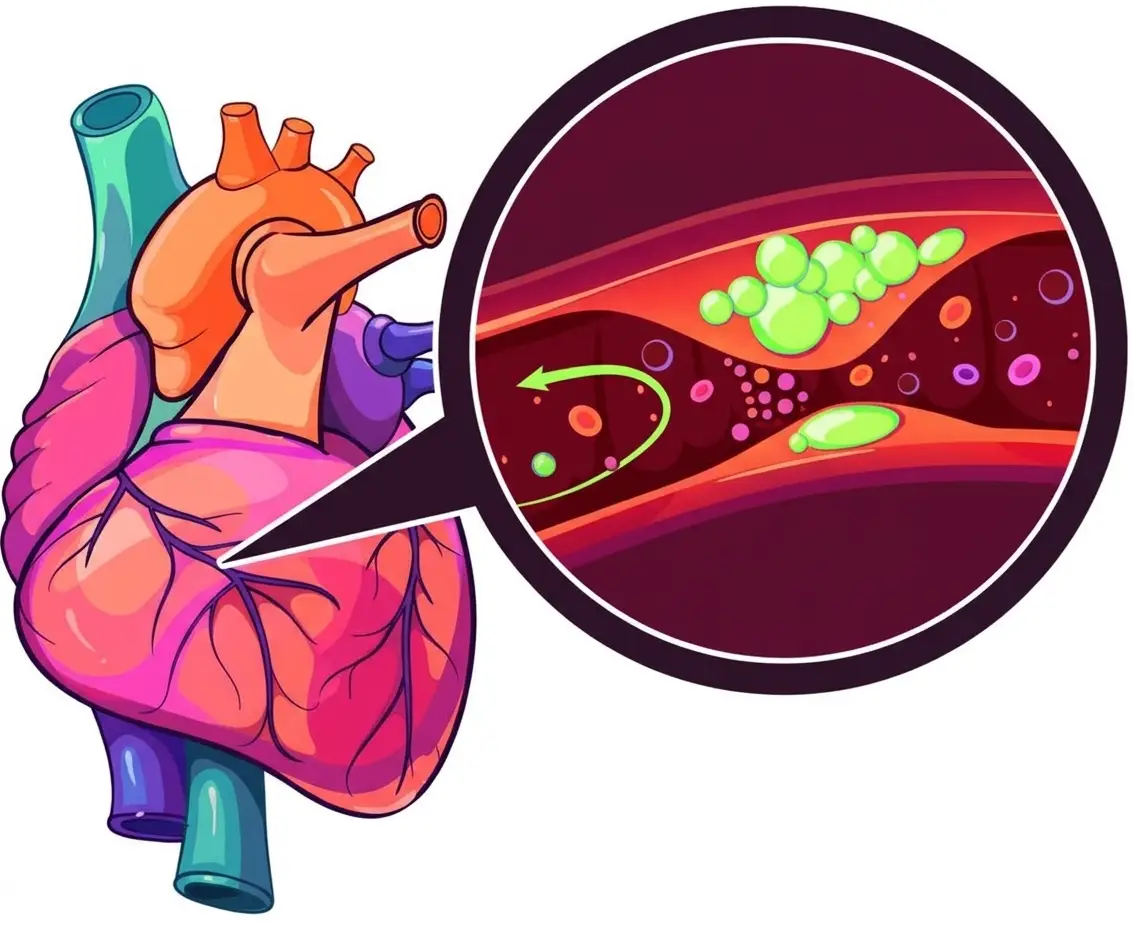
The coronary arteries supply oxygen-rich blood to the heart muscle. In coronary artery disease (CAD), fatty plaque builds up inside these arteries, narrowing or blocking them. This reduces blood flow and can cause chest pain (angina), breathlessness or a heart attack.
When the disease affects several arteries, the main left artery, or long segments of a vessel, bypass surgery is often the best way to restore full blood supply to the heart.
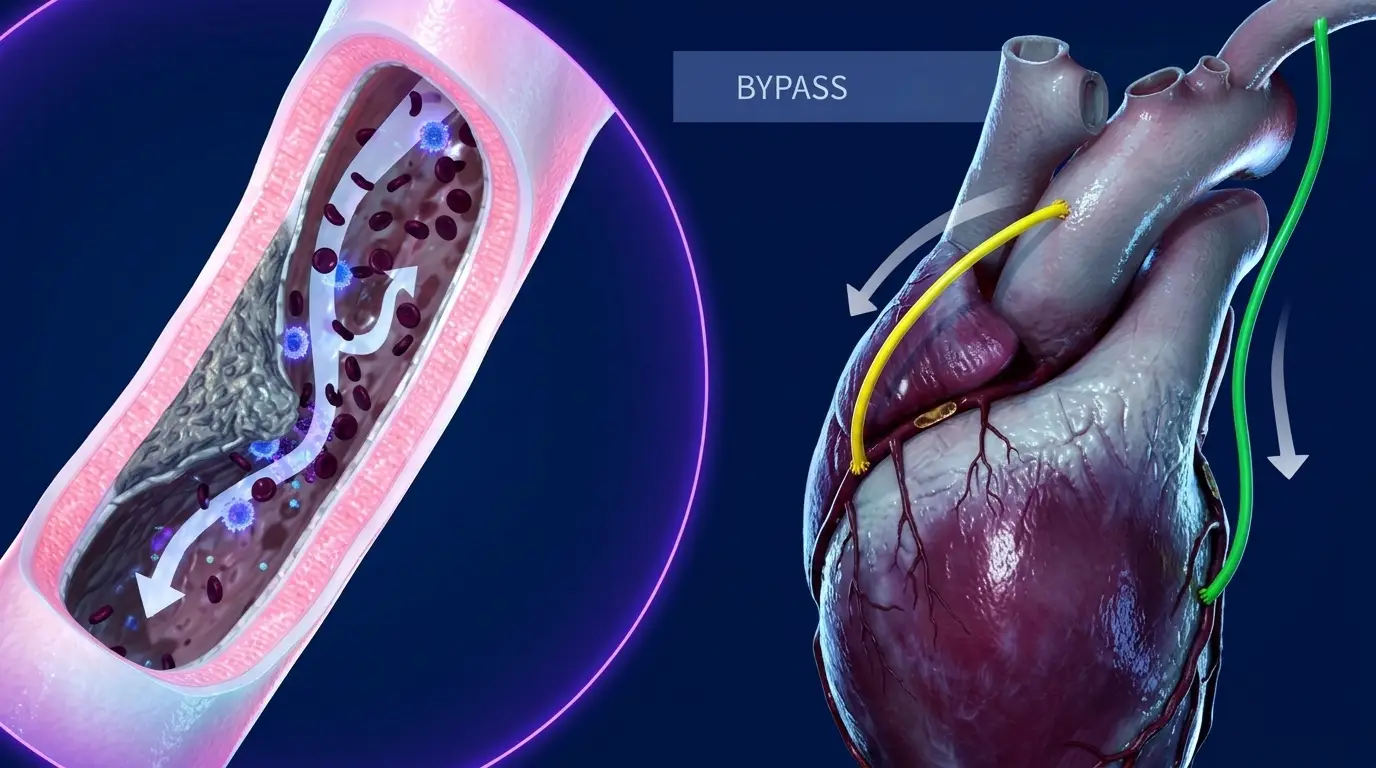
Coronary Artery Bypass Graft (CABG) is a heart operation that creates new routes for blood to flow around blocked arteries. The surgeon takes a healthy blood vessel, called a graft, from the chest, arm or leg. One end is attached beyond the blockage, so that blood bypasses the narrowed section and reaches the heart muscle freely.
Depending on how many arteries are blocked, patients may need single, double, triple or quadruple bypass.
After a coronary angiogram, your heart team may recommend CABG if you have:
Our heart team, made up of cardiologists and cardiac surgeons, reviews every case together to recommend the safest and most effective treatment.
| Feature | CABG (Bypass Surgery) | Angioplasty (PCI) |
|---|---|---|
| Best suited for | Multiple, complex or left main blockages; diabetes | One or two simpler blockages |
| Approach | Surgery | Catheter through wrist or groin |
| Hospital stay | 5–7 days | 1–2 days |
| Long-term durability | Excellent, especially with arterial grafts | Good, but repeat procedures more likely in complex disease |
| Recovery | 6–8 weeks | About 1 week |
For patients with complex multi-vessel disease, especially those with diabetes, CABG often offers better long-term survival and fewer repeat procedures.
Using more arterial grafts can improve the long-term success of the bypass.
On-Pump CABG
The heart is temporarily stopped, and a heart-lung machine takes over circulation while the grafts are attached. This is a well-established technique used for many patients.
Off-Pump CABG (Beating Heart Surgery)
The surgery is performed while the heart continues to beat, with special stabilisers holding the target area still. Off-pump CABG avoids the heart-lung machine. This may lower the risk of bleeding, kidney strain and stroke in selected high-risk patients.
Minimally Invasive CABG (MICS CABG)
In suitable patients, bypass grafts are placed through a small incision between the ribs, without splitting the breastbone. This means less pain, smaller scars and a faster recovery.
Before Surgery
 Coronary Artery Bypass Graft
Surgery usually takes 3 to 5 hours, depending on the number of grafts.
CABG is one of the most commonly performed and well-studied heart operations, with high success rates in experienced centres. Possible risks include bleeding, wound infection, irregular heartbeat (atrial fibrillation), kidney strain, stroke, memory or concentration changes, and, rarely, life-threatening complications. Our team carefully assesses your individual risk and takes every precaution to keep it as low as possible.
If you’ve been told you have multiple heart blockages, expert surgical care can give you a stronger heart and a longer, healthier life. Consult the cardiac surgery team at Bharath Specialty Hospital, Chennai for CABG surgery. Call +91 8905890534 to book your appointment.
Call Our Team WhatsApp UsBrowse our cardiac procedures, clinical departments, hospital facilities, and helpful resources.
No 7, Pari Towers, 7, 1st Main Rd, Macmillan Colony, Nanganallur, Chennai, Tamil Nadu 600061.
Get DirectionsSpeak with our team to arrange your appointment.
044 - 4770 7071 044 4781 7330 +91 89058 90534For general enquiries, connect with our hospital team by email or WhatsApp.
bshospitalao@gmail.com bshospitalreception@gmail.com +91 89058 90534Follow our updates, explore patient stories, and learn more about our care.
Review us on Google Official Website
