Heart Valve Surgery in Chennai at Bharath Specialty Hospital

Coronary Angioplasty in Chennai at Bharath Specialty Hospital

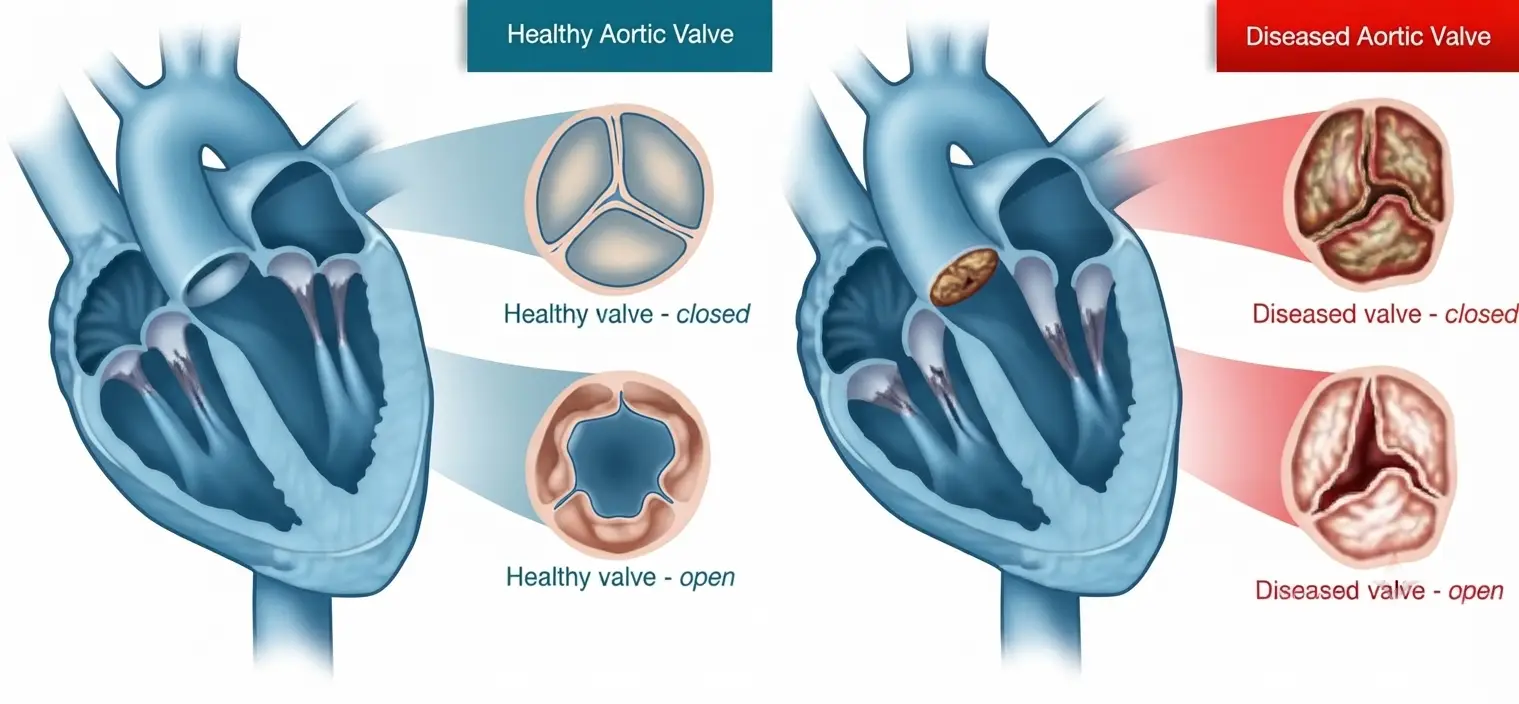
Your heart’s four valves open and close more than 100,000 times a day, keeping blood flowing in one direction. When a valve becomes narrowed or leaky, the heart has to work harder with every beat. Over time, this leads to breathlessness, fatigue and eventually heart failure.

Heart valve surgery repairs or replaces damaged valves, restoring normal blood flow and protecting the heart. At Bharath Specialty Hospital, Chennai, our experienced cardiac surgeons perform valve repair surgery and valve replacement surgery, including mitral, aortic, tricuspid and double valve procedures. We combine surgical expertise with a dedicated cardiac ICU and personalised care.

Understanding the Heart Valves

The heart has four valves

  • Mitral valve: Between the left upper and lower chambers
  • Aortic valve: Between the left ventricle and the aorta
  • Tricuspid valve: Between the right upper and lower chambers
  • Pulmonary valve: Between the right ventricle and the lung artery

The mitral and aortic valves are the ones most commonly affected by disease.

Types of Heart Valve Disease

  • Valve stenosis: The valve becomes stiff and narrowed, restricting blood flow
  • Valve regurgitation (leakage): The valve doesn’t close properly, allowing blood to leak backward
  • Mixed valve disease: Both narrowing and leakage in the same valve
  • Multiple valve disease: More than one valve affected, common in rheumatic heart disease

Causes of Valve Disease

  • Rheumatic heart disease: A leading cause in India, especially affecting the mitral and aortic valves in young adults
  • Age-related degeneration and calcium build-up
  • Congenital valve defects, such as a bicuspid aortic valve
  • Infective endocarditis: Infection of the heart valves
  • Mitral valve prolapse: Floppy valve leaflets
  • Heart attack or heart enlargement affecting valve function

Symptoms of Heart Valve Disease

  • Breathlessness, especially on exertion or when lying flat
  • Fatigue and weakness
  • Chest pain or discomfort
  • Palpitations or an irregular heartbeat
  • Swelling of the feet, ankles or abdomen
  • Dizziness or fainting
  • Reduced exercise capacity

Valve disease often progresses silently. Regular check-ups are important if you have a heart murmur or a history of rheumatic fever.

Who Needs Heart Valve Surgery?

Your cardiologist and cardiac surgeon may recommend surgery if you have:

  • Severe valve stenosis or regurgitation with symptoms
  • Severe valve disease with signs of a weakening or enlarging heart, even without symptoms
  • Rheumatic valve disease not suitable for balloon procedures
  • Infective endocarditis that has damaged a valve
  • Multiple valve disease
  • Valve disease along with coronary artery disease needing bypass surgery

Diagnosis is confirmed with echocardiography, transoesophageal echo (TEE), ECG, chest X-ray and, when needed, a coronary angiogram.

Valve Repair vs Valve Replacement

Valve Repair

Whenever possible, our surgeons prefer to repair the patient’s own valve. Mitral valve repair in particular offers excellent long-term results. It preserves heart function, lowers the risk of infection and often avoids lifelong blood thinners. Repair techniques include reshaping the leaflets, repairing the chords that support the valve, and placing a ring to support the valve (annuloplasty).

Valve Replacement

When a valve is too damaged to repair, it is replaced with an artificial valve. Common procedures include:

  • Mitral Valve Replacement (MVR)
  • Aortic Valve Replacement (AVR)
  • Double Valve Replacement (DVR): Both mitral and aortic valves
  • Tricuspid valve repair, often performed alongside mitral surgery

TAVR vs Open-Heart Valve Surgery

Feature Mechanical Valve Tissue (Biological) Valve
Made of Durable carbon and metal Animal tissue (pig or cow)
Durability Usually lasts a lifetime About 10–20 years
Blood thinners Lifelong (warfarin, with regular INR tests) Usually only for the first 3–6 months
Best suited for Younger patients Older patients, or those who cannot take long-term blood thinners
Sound May make a soft clicking sound Silent

Your surgeon will help you choose the best valve based on your age, lifestyle, other health conditions and future plans, such as pregnancy.

How Is Heart Valve Surgery Performed?

Before Surgery

  • A detailed evaluation with echo, TEE, blood tests and an angiogram if needed
  • A dental check-up to rule out infection
  • Blood thinners and other medicines adjusted as advised

During Surgery

Coronary angiogram procedure in the cath lab Heart Valve Surgery
  1. 1
    General anaesthesia: You are fully asleep throughout.
  2. 2
    Access: The chest is opened through the breastbone (sternotomy), or a smaller incision is used in minimally invasive surgery.
  3. 3
    Heart-lung machine: It takes over circulation while the heart is temporarily stopped.
  4. 4
    Valve repair or replacement: The surgeon repairs the valve or removes it and sews in a new valve.
  5. 5
    Restarting the heart: The heart is restarted, and valve function is checked with TEE.
  6. 6
    Closure :The breastbone is wired and the incision is closed.

Surgery usually takes 3 to 5 hours.

Minimally Invasive Valve Surgery

In selected patients, minimally invasive valve surgery is performed through a small incision on the side of the chest or a partial breastbone incision. Benefits include less pain, less blood loss, smaller scars and a faster return to normal activities.

Is Heart Valve Surgery Safe?

Valve surgery is a well-established operation with high success rates in experienced centres. Possible risks include bleeding, infection, irregular heart rhythms, stroke, kidney strain, valve-related blood clots and, rarely, life-threatening complications. Our team carefully assesses your risk and follows strict protocols to ensure your safety.

Recovery After Valve Surgery

  • Cardiac ICU: 1–2 days of close monitoring
  • Hospital stay: Usually 5–7 days
  • Walking: Begins within 1–2 days after surgery
  • Breastbone healing: About 6–8 weeks; avoid heavy lifting during this time
  • Return to normal activities: Gradually, over 6–12 weeks
  • Cardiac rehabilitation: Recommended for a safe, steady recovery

Long-Term Care

  • Mechanical valve patients: Take warfarin daily and have regular INR tests
  • Take antibiotics before dental and certain medical procedures to prevent valve infection
  • Long-term penicillin prophylaxis for rheumatic heart disease patients, if advised
  • Regular echocardiography follow-up
  • Women planning pregnancy should consult their cardiologist in advance, especially if they have a mechanical valve

Benefits of Heart Valve Surgery

  • Restores normal valve function and blood flow
  • Relieves breathlessness, fatigue and chest pain
  • Prevents or reverses heart enlargement and failure
  • Improves exercise capacity and quality of life
  • Lowers the risk of stroke and rhythm problems
  • Improves long-term survival
  • Durable, long-lasting results

Why Choose Bharath Specialty Hospital for Valve Surgery in Chennai?

Experienced cardiac surgeons in Chennai, skilled in valve repair and replacement
Expertise in rheumatic valve disease and complex multiple valve surgery
Advanced cardiac operating theatres with intraoperative TEE
Minimally invasive valve surgery options for suitable patients
A dedicated cardiac surgical ICU with trained intensivists
An anticoagulation clinic for INR monitoring and long-term follow-up
Transparent valve replacement cost in Chennai, with insurance and cashless support

Frequently Asked Questions

When possible, repair is usually preferred, especially for the mitral valve. Your surgeon will decide based on how damaged the valve is.

Only if you receive a mechanical valve. Tissue valves and repairs usually need blood thinners for just a few months.

Mechanical valves usually last a lifetime. Tissue valves typically last 10–20 years.

Most insurance plans and government schemes cover valve surgery. Our insurance desk will assist with approvals.

Book a Consultation Today

A damaged heart valve doesn’t have to limit your life. Consult the cardiac surgery team at Bharath Specialty Hospital, Chennai for expert heart valve repair and replacement surgery. Call +91 8905890534 to book your appointment.

Call Our Team WhatsApp Us
Quick Links

Find the care and information you need

Browse our cardiac procedures, clinical departments, hospital facilities, and helpful resources.

Visit Our Hospital

No 7, Pari Towers, 7, 1st Main Rd, Macmillan Colony, Nanganallur, Chennai, Tamil Nadu 600061.

Get Directions

whatsapp
Call us