Visit Our Hospital
No 7, Pari Towers, 7, 1st Main Rd, Macmillan Colony, Nanganallur, Chennai, Tamil Nadu 600061.
Get Directions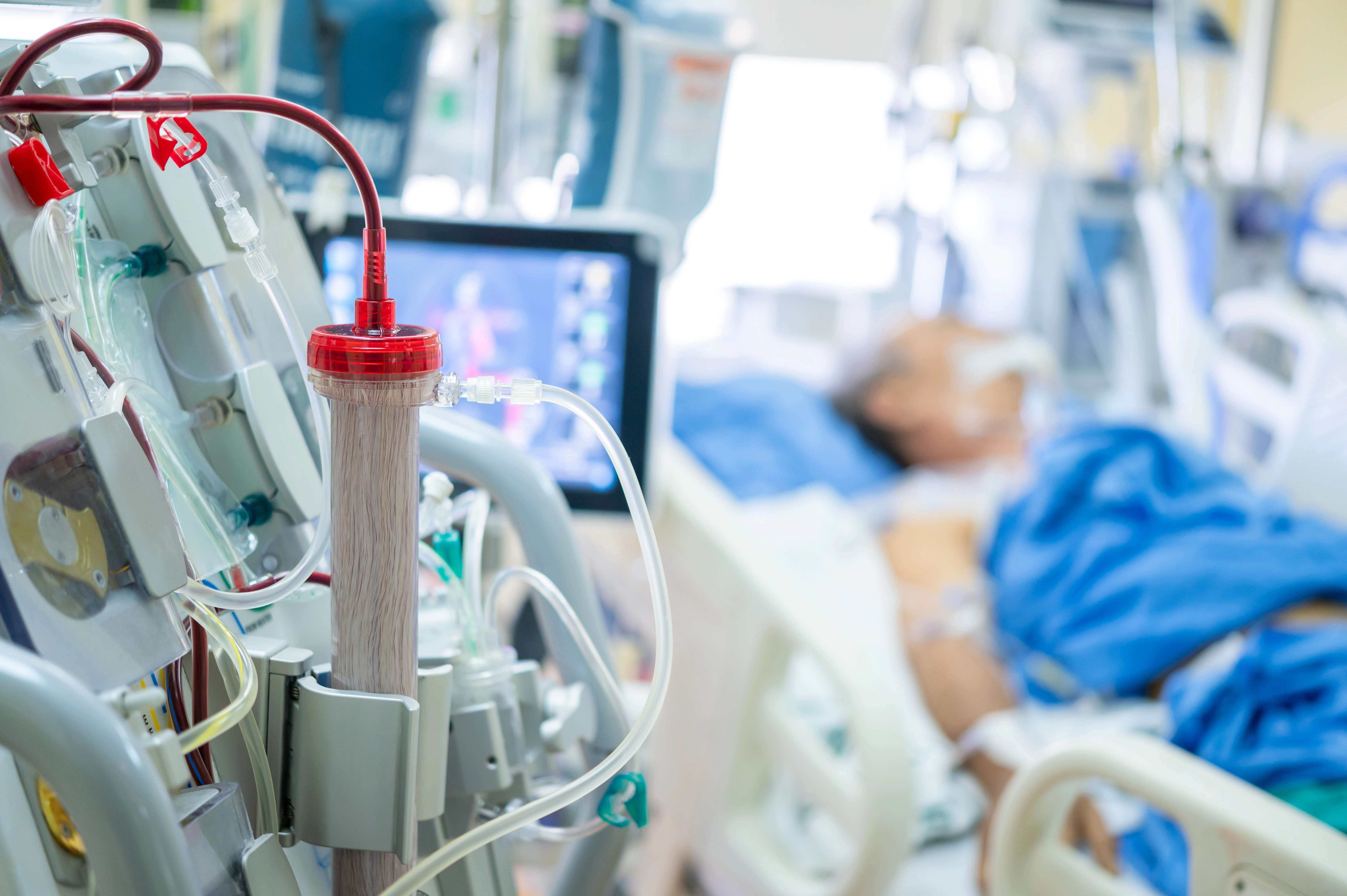
Your kidneys work silently every moment of the day. They filter waste, remove excess fluid and keep the body’s chemistry in balance. When they fail, toxins and fluid build up quickly, affecting the heart, lungs, brain and overall health. Dialysis takes over this vital work, helping patients stay well and live fuller lives.
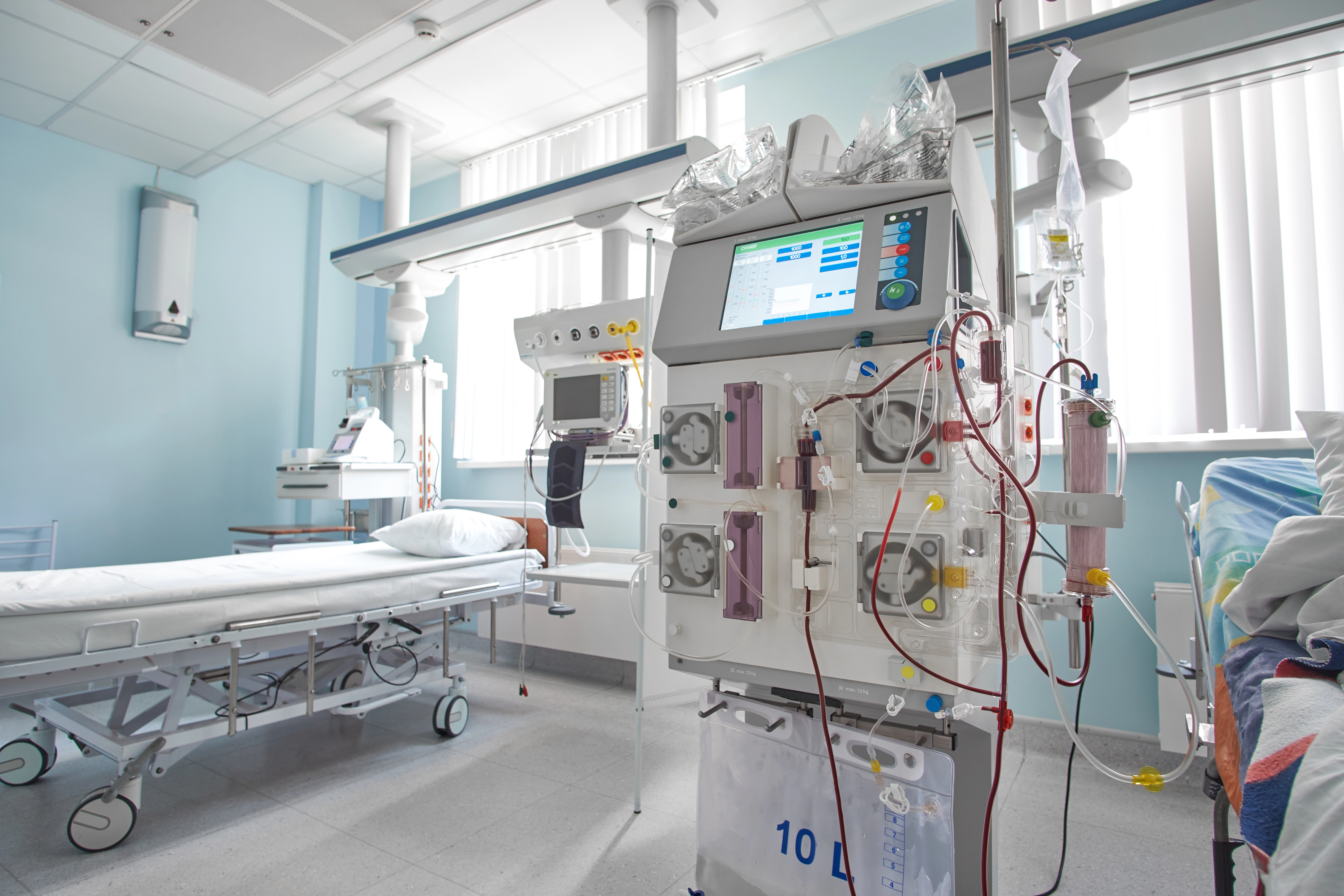
At Bharath Specialty Hospital, Chennai, our Dialysis & Renal Replacement Therapy services provide safe, comfortable and expert kidney care. We offer routine haemodialysis, peritoneal dialysis (CAPD) and advanced bedside dialysis for critically ill patients. Our experienced nephrologists, physicians, intensivists and vascular surgeons work together to provide complete kidney care under one roof.
Dialysis is a treatment that performs the main functions of the kidneys when they are no longer able to do so. It:
Renal Replacement Therapy (RRT) is the broader term for all treatments that replace kidney function, including the different forms of dialysis and kidney transplantation.
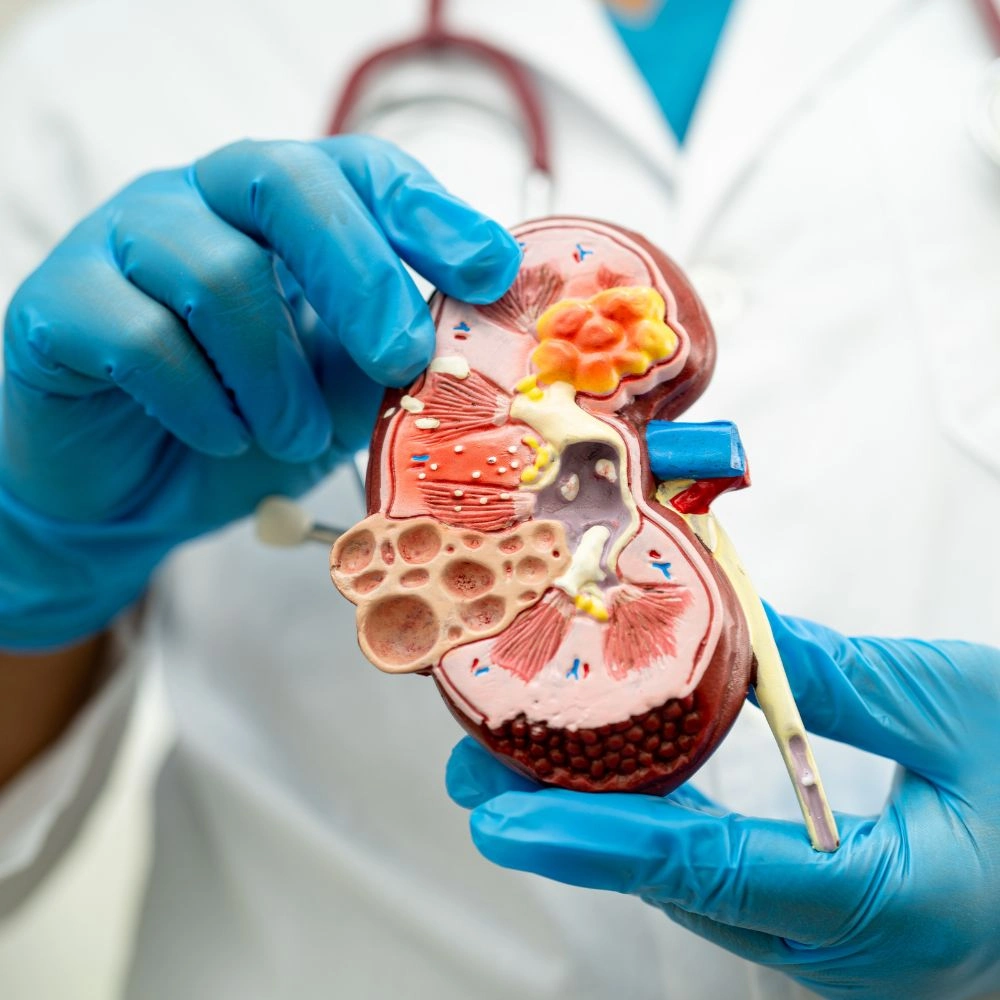
When kidney function falls to about 10–15% of normal (end-stage kidney disease), regular dialysis becomes necessary. The most common causes include:
A sudden loss of kidney function, often in critically ill patients, may need temporary dialysis until the kidneys recover. Common causes include:

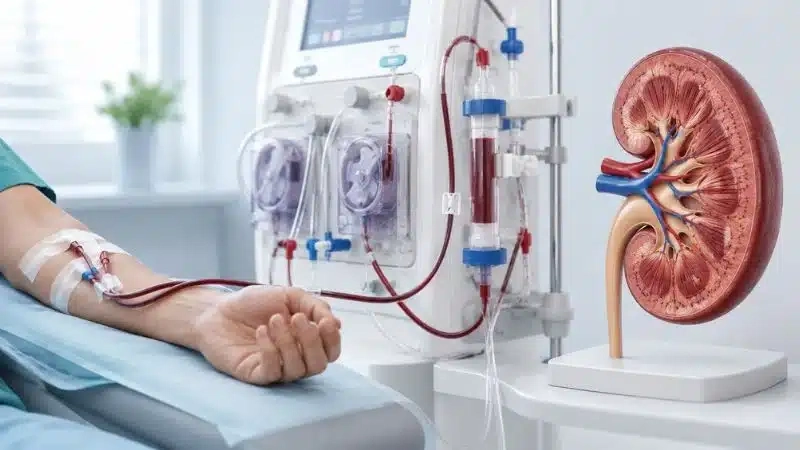
Haemodialysis Blood is pumped through a special filter (dialyser) outside the body that removes waste and excess fluid. The cleaned blood is then returned to the body.
• Usually done 2–3 times a week
• Each session takes about 4 hours
• Performed in our dialysis unit under trained supervision

Peritoneal Dialysis (CAPD) Continuous Ambulatory Peritoneal Dialysis uses the lining of the abdomen (peritoneum) as a natural filter. A special fluid is placed in the abdomen through a soft catheter, absorbs waste, and is then drained out.
• Can be done at home after training
• Gives more flexibility and independence
• Gentler on the heart, which makes it suitable for selected patients
Our team handles CAPD catheter insertion, patient training and ongoing follow-up.
SLED (Sustained Low-Efficiency Dialysis) A slower, longer form of dialysis designed for critically ill patients with unstable blood pressure. It removes waste and fluid gently over several hours.
CRRT (Continuous Renal Replacement Therapy) CRRT provides continuous, round-the-clock dialysis for the sickest ICU patients, such as those with sepsis, cardiogenic shock or multi-organ failure, who cannot tolerate standard haemodialysis.
Critically ill patients often cannot be moved to a dialysis room safely. We provide bedside haemodialysis, SLED and CRRT in all our intensive care units:
This means patients with heart failure, kidney injury after heart surgery, or severe infections receive kidney support without the risks of being moved.
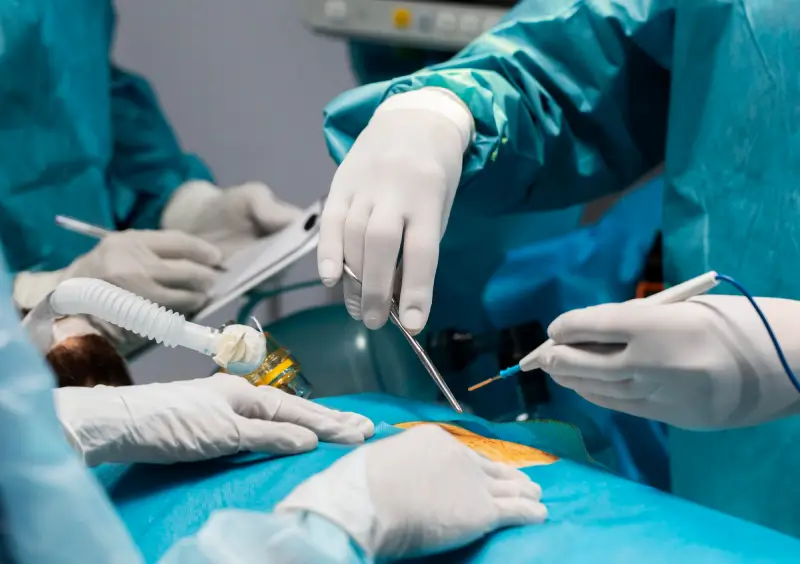
A reliable vascular access point, the entry used to connect the bloodstream to the dialysis machine, is essential for effective haemodialysis. Our vascular surgeon and nephrology team offer:
A surgical connection between an artery and a vein, usually in the arm. It is the gold standard for long-term dialysis, with the lowest infection risk and the longest lifespan.
A synthetic tube connecting an artery and a vein, used when the patient’s veins aren’t suitable for a fistula.
A tunnelled catheter for patients needing dialysis while a fistula matures, or for those unsuitable for a fistula.
A temporary dialysis catheter for emergency or short-term dialysis.
For peritoneal dialysis.
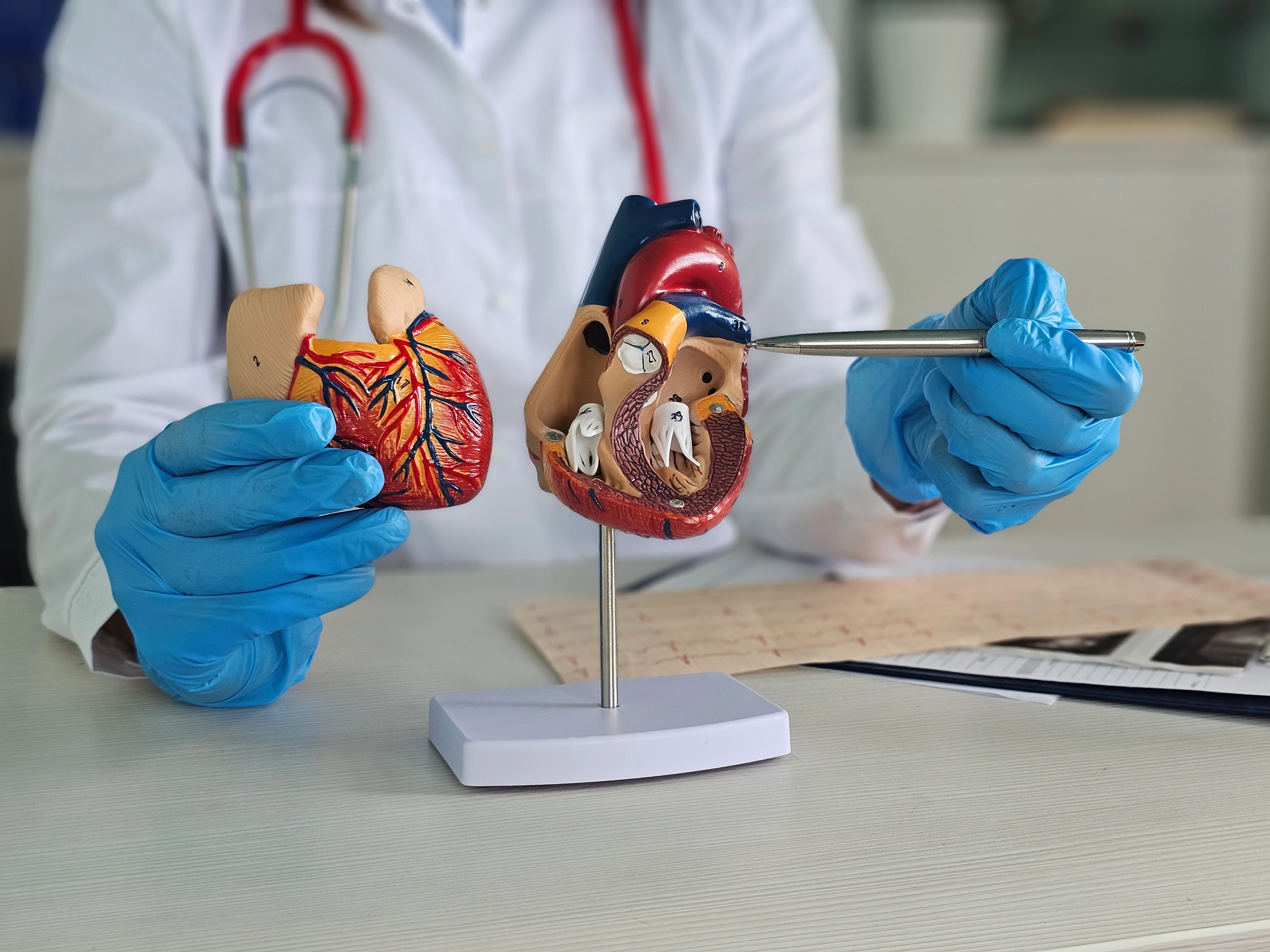
Kidney disease and heart disease are closely linked. Many dialysis patients also have high blood pressure, coronary artery disease or heart failure. As a specialty heart care centre, Bharath Specialty Hospital offers a unique advantage: integrated cardiac and kidney care. Cardiologists, nephrologists and intensivists work together to protect both organs.
Limit salt, potassium, phosphorus and fluids, as advised by our dietitian
Take blood pressure medicines, phosphate binders and other prescribed medicines regularly
Erythropoietin injections and iron therapy, if needed
Keep the access arm clean, avoid tight clothing and avoid blood pressure checks on that arm
Hepatitis B vaccination is recommended
Never skip dialysis sessions
Counselling to help patients and families cope
Strict hygiene and sterile techniques
Separate machines for patients with hepatitis B or C, where required
Purified water (RO) systems, regularly tested for quality
Single-use consumables, wherever recommended
Regular screening for blood-borne infections
Browse our cardiac procedures, clinical departments, hospital facilities, and helpful resources.
No 7, Pari Towers, 7, 1st Main Rd, Macmillan Colony, Nanganallur, Chennai, Tamil Nadu 600061.
Get DirectionsSpeak with our team to arrange your appointment.
044 - 4770 7071 044 4781 7330 +91 89058 90534For general enquiries, connect with our hospital team by email or WhatsApp.
bshospitalao@gmail.com bshospitalreception@gmail.com +91 89058 90534Follow our updates, explore patient stories, and learn more about our care.
Review us on Google Official Website
