
Visit Our Hospital
No 7, Pari Towers, 7, 1st Main Rd, Macmillan Colony, Nanganallur, Chennai, Tamil Nadu 600061.
Get Directions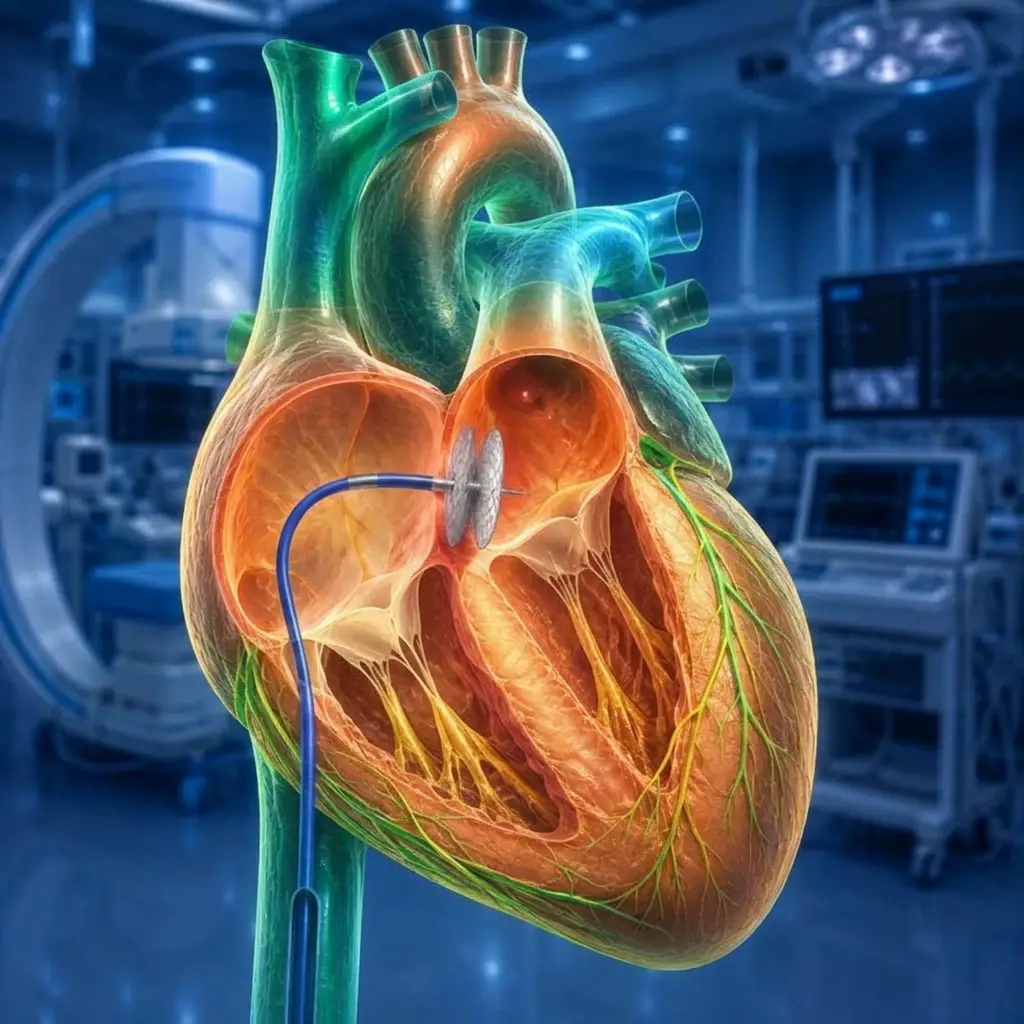
Hearing that you or your child has a “hole in the heart” can be worrying. The good news is that many of these congenital heart defects can now be treated without open-heart surgery. Device closure is a safe, minimally invasive procedure that seals the hole using a small device delivered through a thin tube, with no chest incision, no stitches on the heart and a much faster recovery.
At Bharath Specialty Hospital, Chennai, our experienced structural heart and interventional cardiologists perform ASD, VSD, PDA and PFO device closure in an advanced cath lab for children and adults alike.
A hole in the heart is an abnormal opening in the walls that separate the heart’s chambers, or an abnormal connection between major blood vessels. Most are congenital heart defects, meaning they are present from birth. These openings let blood flow where it shouldn’t. Over time, this may enlarge the heart, raise pressure in the lungs and cause heart rhythm problems.
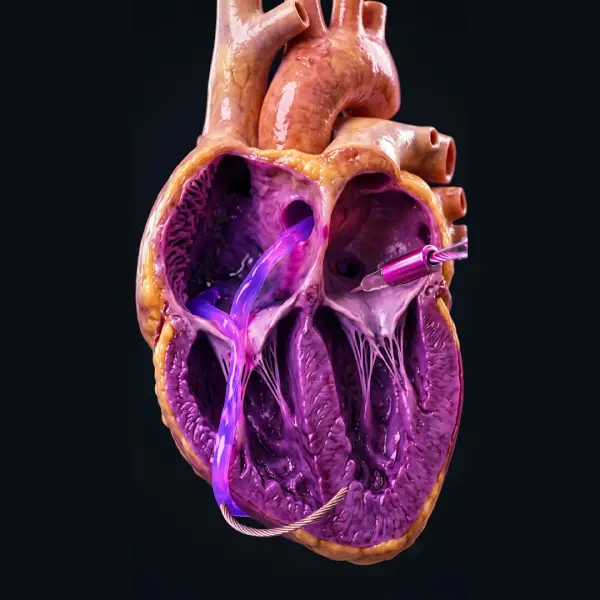
Atrial Septal Defect (ASD)
An ASD is a hole in the wall (septum) between the two upper chambers of the heart. Oxygen-rich blood leaks from the left atrium into the right atrium, overloading the right side of the heart and the lungs. The secundum ASD, the most common type, is usually suitable for device closure.
Ventricular Septal Defect (VSD)
A VSD is a hole in the wall between the two lower chambers. Depending on its size and location, it can cause heart enlargement, breathlessness and lung pressure problems. Selected VSDs can be closed with a device.
Patent Ductus Arteriosus (PDA)
Before birth, a blood vessel called the ductus arteriosus connects the aorta and the pulmonary artery. It normally closes shortly after birth. When it stays open, it is called a PDA, and it causes extra blood flow to the lungs. PDA device closure is highly effective in infants, children and adults.
Patent Foramen Ovale (PFO)
A PFO is a small, flap-like opening between the upper chambers that fails to seal after birth. It is usually harmless, but in some people it may allow clots to pass to the brain and cause a stroke. PFO closure may be recommended for selected patients who have had an unexplained stroke.
Small defects may cause no symptoms. Larger ones may cause:
Many adults with an ASD are diagnosed only in their 30s or 40s, when symptoms begin.
Not every heart hole needs closure. Small defects may close on their own or need only periodic monitoring. Your cardiologist may recommend device closure if you have:
Some defects, such as primum or sinus venosus ASDs, very large defects without adequate rims, or VSDs close to the heart valves, may need surgical repair instead. Patients with severe, irreversible lung hypertension may not benefit from closure. Our team assesses each case carefully.
How Is the Defect Assessed?
Closure devices are made of nitinol, a flexible, memory-shaped metal alloy, often combined with a fabric mesh. Most are double-disc devices (septal occluders) that sit on either side of the hole like a sandwich. PDAs may be closed with plugs or coils. Over the following months, the heart’s own tissue grows over the device, sealing the hole permanently.
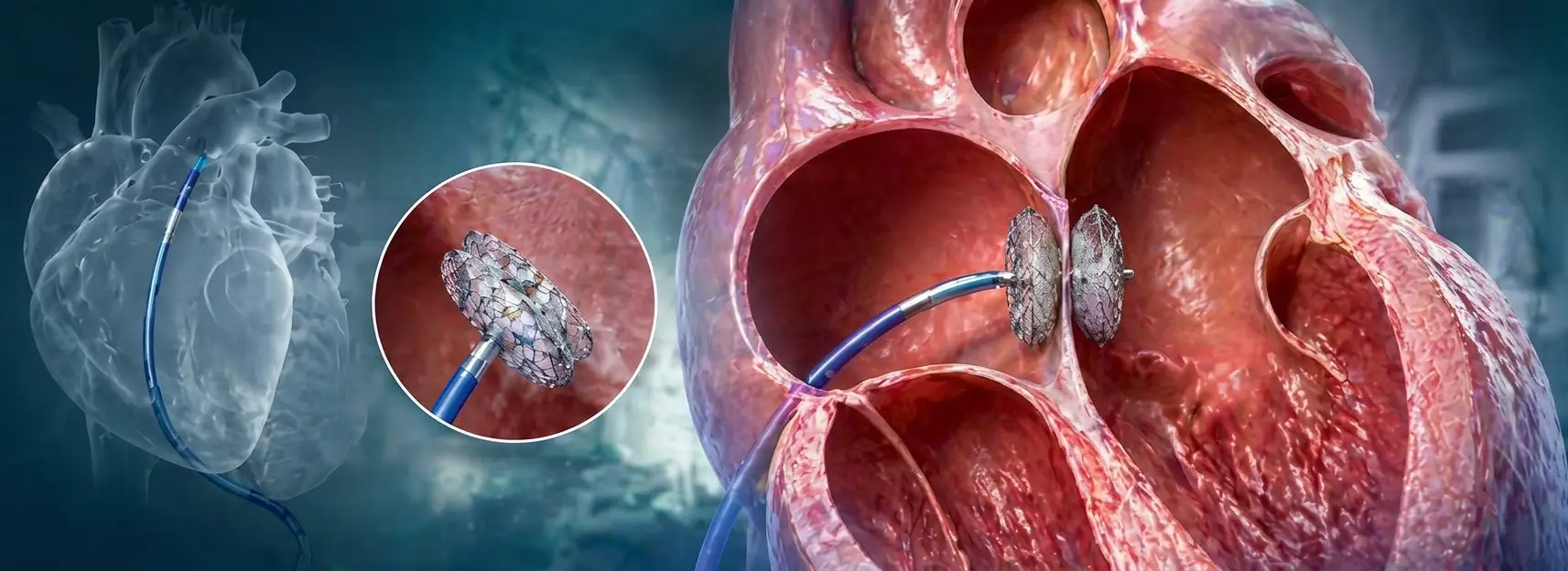 Device Closure
The procedure usually takes 1 to 2 hours.
Device closure is a safe and well-established procedure in experienced hands. Rare complications include device movement, irregular heart rhythms, bleeding at the access site, blood clots, infection or, very rarely, erosion of heart tissue. Careful sizing, imaging guidance and close follow-up help keep the risks very low.
A hole in the heart doesn’t always mean open-heart surgery. Explore heart hole treatment without surgery with the structural heart specialists at Bharath Specialty Hospital, Chennai. Call +91 8905890534 to book your appointment.
Call Our Team WhatsApp UsBrowse our cardiac procedures, clinical departments, hospital facilities, and helpful resources.
No 7, Pari Towers, 7, 1st Main Rd, Macmillan Colony, Nanganallur, Chennai, Tamil Nadu 600061.
Get DirectionsSpeak with our team to arrange your appointment.
044 - 4770 7071 044 4781 7330 +91 89058 90534For general enquiries, connect with our hospital team by email or WhatsApp.
bshospitalao@gmail.com bshospitalreception@gmail.com +91 89058 90534Follow our updates, explore patient stories, and learn more about our care.
Review us on Google Official Website
