
Visit Our Hospital
No 7, Pari Towers, 7, 1st Main Rd, Macmillan Colony, Nanganallur, Chennai, Tamil Nadu 600061.
Get Directions
Have you been told you have a “borderline” or “moderate” blockage in a heart artery? Are you unsure whether you really need a stent? You are not alone. Not every narrowing seen on an angiogram reduces blood flow enough to harm the heart. Treating a blockage that doesn’t need treatment adds cost and risk without benefit.
Fractional Flow Reserve (FFR) answers this question with precision. At Bharath Specialty Hospital, Chennai, our interventional cardiologists use FFR to measure how much a blockage actually restricts blood flow. This helps make sure angioplasty is done only when it is truly needed, and that you get the right treatment for your heart.
A coronary angiogram shows how narrow an artery looks, but it cannot always tell how much that narrowing affects blood flow. This is especially true for intermediate coronary stenosis, blockages that look roughly 40–70% narrowed. Two blockages that look similar on an angiogram can have very different effects on the heart.
Relying on appearance alone may lead to:
FFR removes this guesswork by measuring the actual effect of the blockage on blood flow.
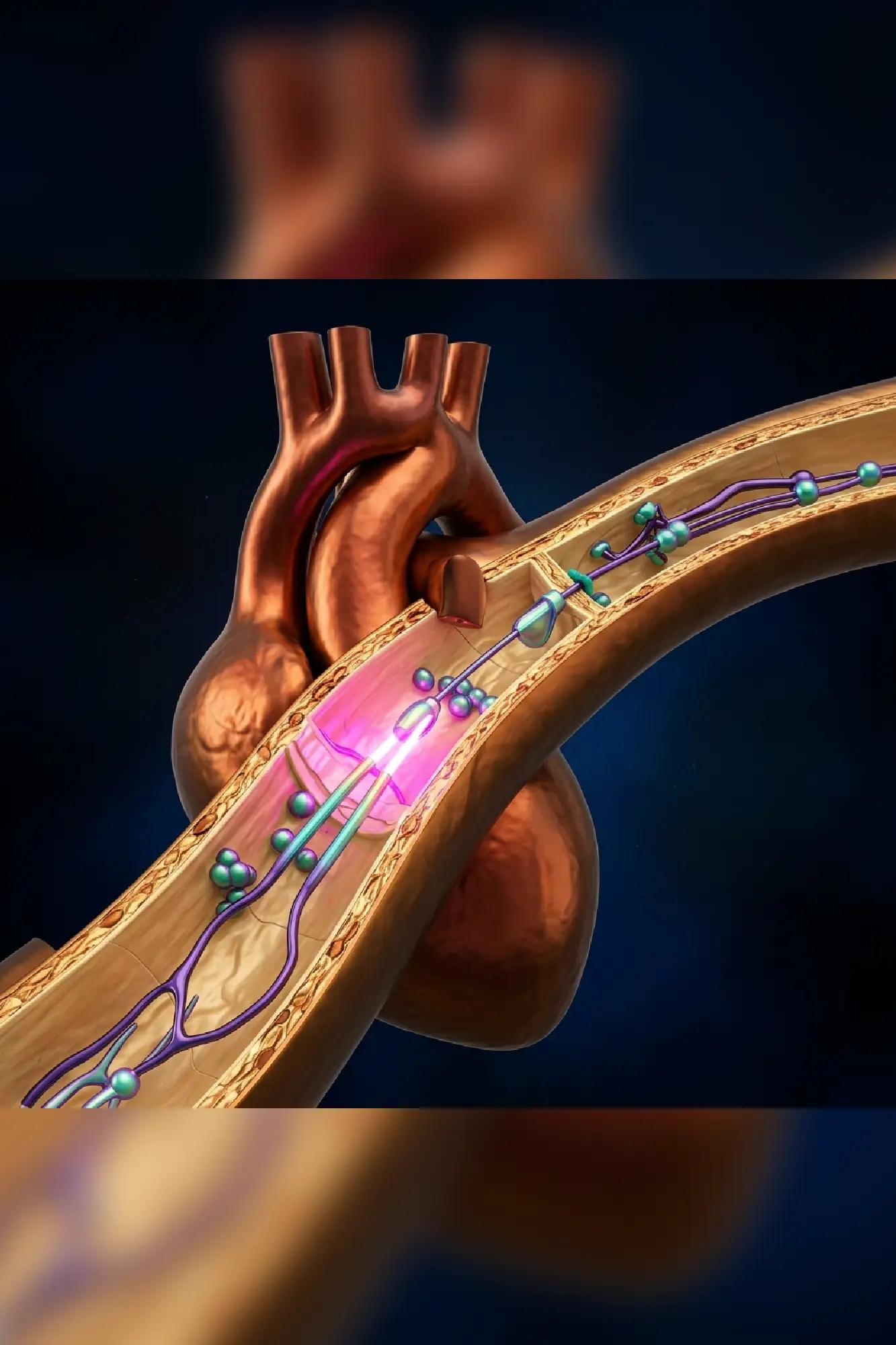
Fractional Flow Reserve is a coronary physiology assessment performed during a coronary angiogram. It compares the blood pressure beyond a blockage with the pressure before it, while the heart is under maximum blood-flow conditions.
In simple terms, FFR tells your cardiologist what fraction of normal blood flow is reaching the heart muscle through the narrowed artery.
FFR is measured with a special pressure wire, an ultra-thin guidewire with a tiny pressure sensor near its tip. The wire records:
To mimic the heart’s demand during exercise, a medicine (usually adenosine) is given to briefly increase blood flow. The ratio of the two pressures at this point is the FFR value.
iFR (instantaneous wave-free ratio) is a related test that measures pressure differences without the medicine. It is quicker, and it is useful for patients who may not tolerate adenosine. Our cardiologists choose between FFR and iFR based on your condition.
Not every patient having an angiogram or angioplasty needs FFR. Your cardiologist decides during your evaluation. FFR is especially helpful if you have:
FFR is performed in the cath lab during a coronary angiogram, usually in the same sitting.
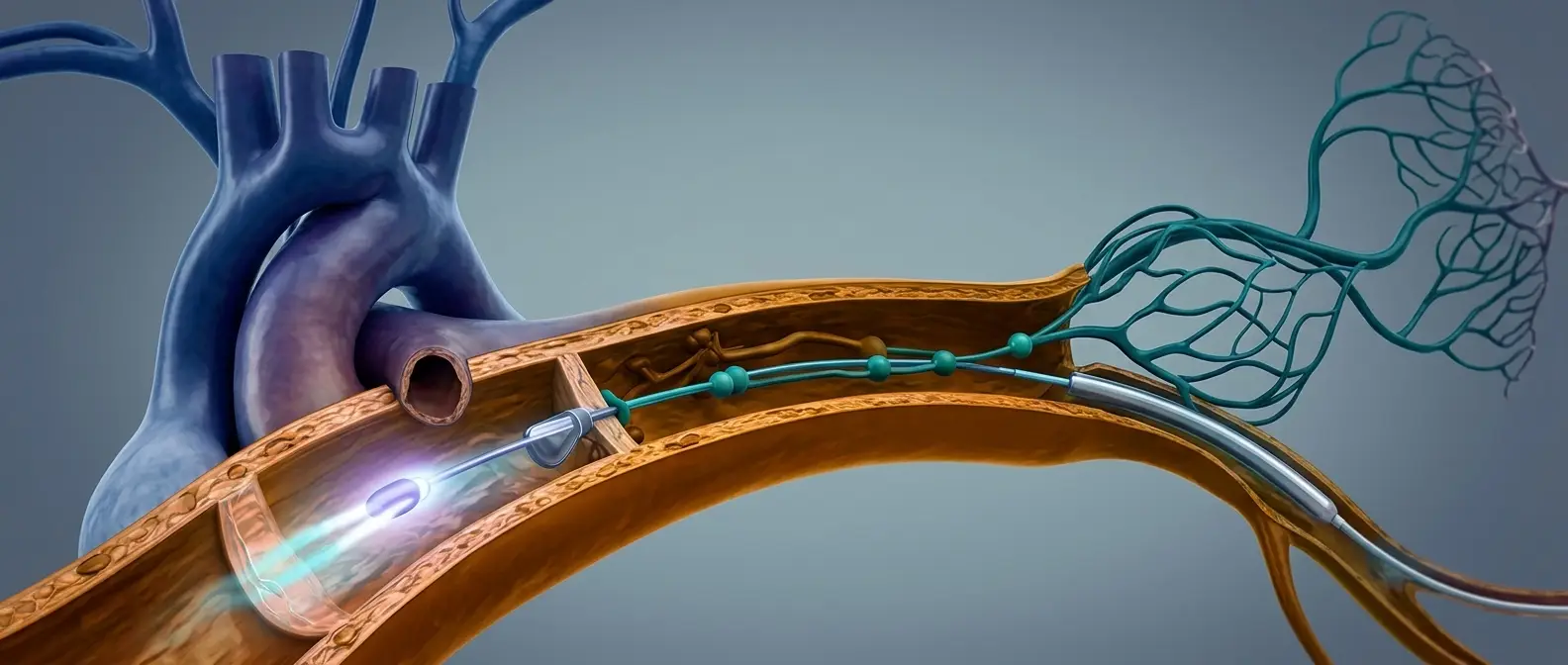 Fractional Flow Reserve (FFR)
The test usually adds only 10 to 15 minutes to the angiogram.
| FFR Value | What It Means | Usual Recommendation |
|---|---|---|
| Above 0.80 | Blockage is not significantly limiting blood flow | Medicines and lifestyle changes; stent usually not needed |
| 0.80 or below | Blockage is significantly reducing blood flow | Angioplasty and stenting (or bypass) usually recommended |
For iFR, a value of 0.89 or below is generally considered significant.
Large international studies, including the well-known FAME and DEFER trials, showed two key findings. First, FFR-guided angioplasty leads to better outcomes and fewer stents than decisions based on angiography alone. Second, it is safe to postpone stenting in patients with a normal FFR. As a result, FFR is now recommended in international cardiology guidelines for assessing intermediate blockages.
FFR is a safe, well-established procedure performed during routine angiography. The temporary effects of adenosine, such as flushing, chest tightness or a slow heartbeat, usually pass within moments. Serious complications are rare, such as artery spasm or injury to the vessel. Patients with severe asthma may be given iFR instead of adenosine-based FFR.
Wondering whether you really need a stent? Get a clear, scientific answer. Consult the cardiology team at Bharath Specialty Hospital, Chennai for an accurate Fractional Flow Reserve (FFR) test. Call +91 8905890534 to book your appointment.
Call Our Team WhatsApp UsBrowse our cardiac procedures, clinical departments, hospital facilities, and helpful resources.
No 7, Pari Towers, 7, 1st Main Rd, Macmillan Colony, Nanganallur, Chennai, Tamil Nadu 600061.
Get DirectionsSpeak with our team to arrange your appointment.
044 - 4770 7071 044 4781 7330 +91 89058 90534For general enquiries, connect with our hospital team by email or WhatsApp.
bshospitalao@gmail.com bshospitalreception@gmail.com +91 89058 90534Follow our updates, explore patient stories, and learn more about our care.
Review us on Google Official Website
