Pacemaker Implantation in Chennai at Bharath Specialty Hospital

Cerebral Angiogram

A healthy heart beats steadily, adjusting its pace to meet your body’s needs. When the heart’s electrical system slows down or fails, the heartbeat can become dangerously slow or irregular. This leaves you tired, dizzy, breathless or even fainting without warning.

A pacemaker is a small, reliable device that restores a normal heart rhythm and gives you back your energy and confidence. At Bharath Specialty Hospital, Chennai, our experienced cardiac rhythm specialists perform pacemaker implantation in an advanced cath lab using modern devices and safe, minimally invasive techniques.

Understanding a Slow Heart Rate

Your heartbeat is controlled by an electrical signal that starts in the sinus node, the heart’s natural pacemaker, in the upper right chamber. The signal travels through the AV node to the lower chambers, making the heart contract. A normal resting heart rate is 60–100 beats per minute.

When this system malfunctions, the heart may beat too slowly. This is called bradycardia. Signals can also be blocked on their way to the lower chambers, which is called heart block. As a result, the body and brain don’t get enough oxygen-rich blood.

Heart’s Electrical System

Causes of a Slow Heartbeat

  • Age-related wear of the heart’s electrical system
  • Sick sinus syndrome: A malfunction of the natural pacemaker
  • Heart block: Delayed or blocked electrical conduction
  • Coronary artery disease or a previous heart attack
  • Heart infections or inflammation
  • An underactive thyroid (hypothyroidism)
  • High potassium levels in the blood
  • Certain medicines, such as beta-blockers and some rhythm drugs
  • Heart surgery or congenital heart conditions

Symptoms That May Need a Pacemaker

  • Persistent tiredness and weakness
  • Dizziness or light-headedness
  • Fainting (syncope) or near-fainting episodes
  • Breathlessness, especially on exertion
  • Reduced exercise tolerance
  • Confusion or difficulty concentrating
  • Chest discomfort or palpitations

Who Needs a Pacemaker?

Your cardiologist may recommend a permanent pacemaker if you have:

  • A symptomatic slow heartbeat that is not caused by a reversible condition
  • Sick sinus syndrome with symptoms
  • Advanced heart block (second- or third-degree)
  • Atrial fibrillation with a slow heart rate
  • Fainting caused by a slow heartbeat
  • Heart failure with uncoordinated heart contractions, which may need a CRT pacemaker
  • A slow heart rate after heart surgery, TAVI or ablation

Before the decision is made, your doctor will use tests such as an ECG, Holter monitoring, echocardiography and sometimes an Electrophysiological Study (EPS) to confirm the diagnosis.

What Is a Pacemaker?

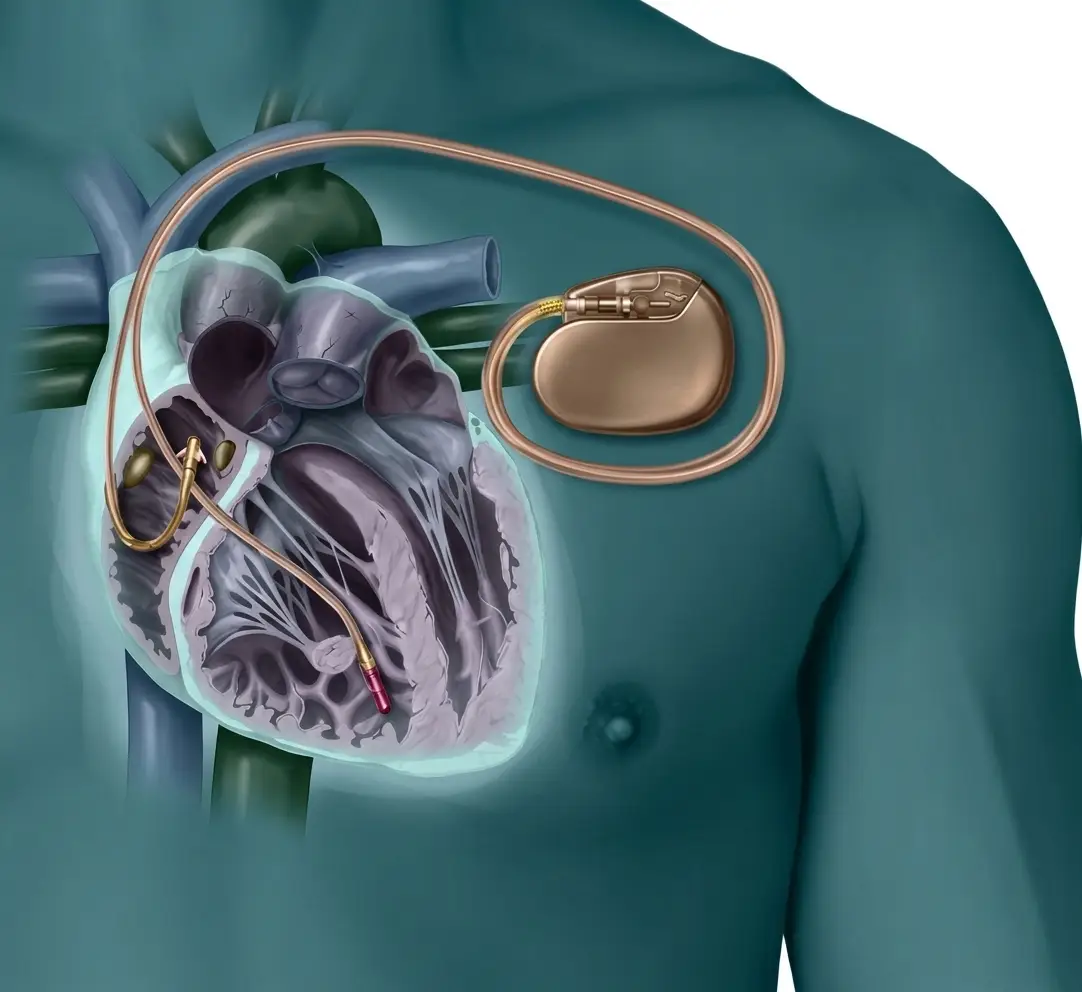
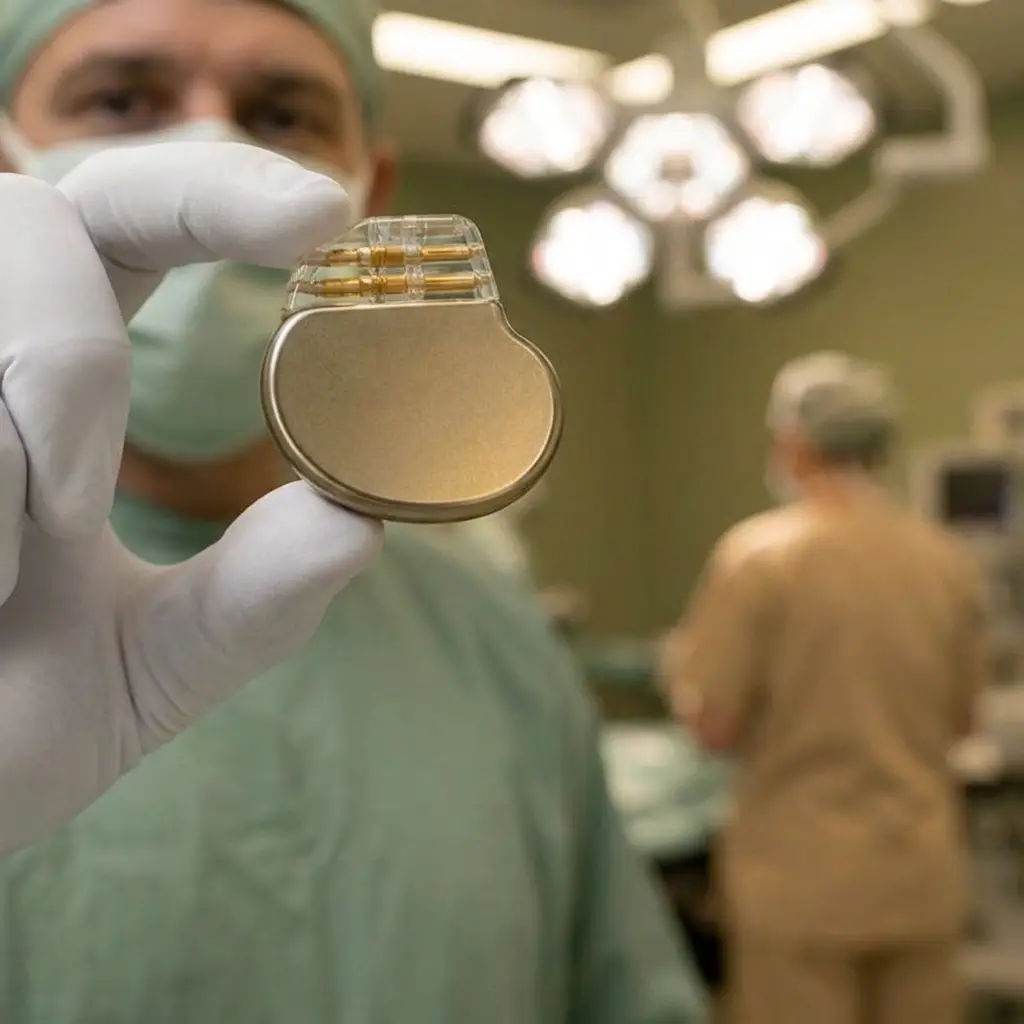
A pacemaker is a small, battery-powered device, about the size of a matchbox, placed under the skin below the collarbone. It has two main parts:

  • Pulse generator: Contains the battery and a tiny computer that monitors the heartbeat and sends electrical signals when needed
  • Leads: Thin, insulated wires that run from the generator to the heart, sensing its rhythm and delivering signals

The pacemaker works only when needed. If your heart rate drops below a set level, it sends a painless electrical impulse to keep the heart beating at a healthy rate.

Types of Pacemakers

Your cardiologist may recommend a permanent pacemaker if you have:

  • Single chamber pacemaker: One lead placed in either the upper or lower right chamber
  • Dual chamber pacemaker: Two leads, one in the upper and one in the lower chamber, coordinating them for a more natural rhythm
  • CRT pacemaker (Cardiac Resynchronisation Therapy): Three leads that help both lower chambers pump together, used for selected heart failure patients
  • Leadless pacemaker: A tiny, capsule-sized device placed directly inside the heart through a vein in the groin, with no leads and no chest pocket
  • Conduction system pacing: An advanced technique that stimulates the heart’s natural conduction pathway for a more physiological heartbeat

Most modern devices are MRI-safe (MRI-conditional), which allows patients to undergo MRI scans safely under specific conditions.

How Is Pacemaker Implantation Done?

Before the Procedure

  • Blood tests, ECG and echocardiogram
  • Fasting for 6–8 hours
  • Blood thinners may be adjusted, as advised by your doctor

During the Procedure

Coronary angiogram procedure in the cath lab Pacemaker Implantation
  1. 1
    Local anaesthesia: The area below the collarbone is numbed, and mild sedation may be given. General anaesthesia is rarely needed.
  2. 2
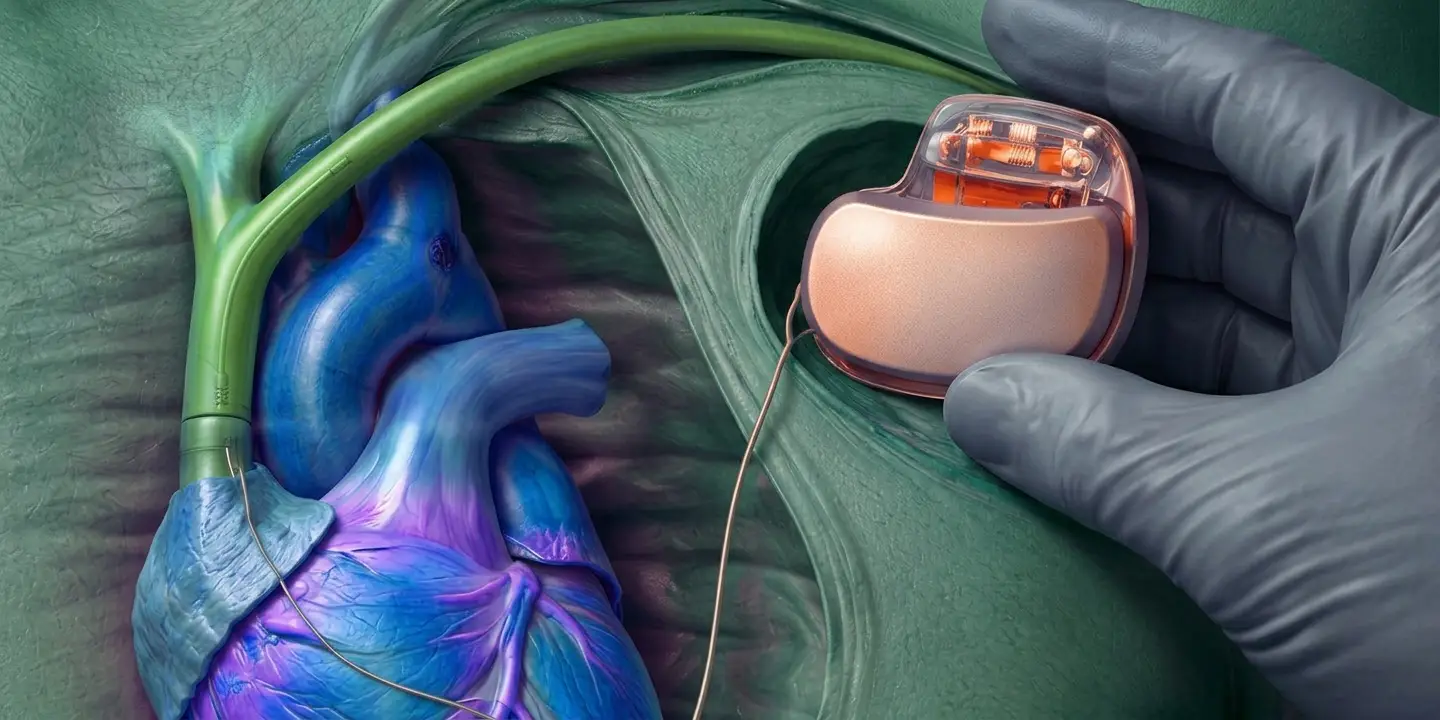
    Lead placement: One or more leads are guided through a vein into the heart under X-ray guidance.
  3. 3
    Testing: The leads are tested to make sure they sense and pace correctly.
  4. 4
    Generator placement: The pulse generator is connected to the leads and placed in a small pocket under the skin.
  5. 5
    Closure: The incision is closed with stitches or surgical glue.
  6. 6
    Programming: The device is programmed to suit your heart’s needs.

The procedure usually takes 1 to 2 hours.

3D Mapping Ablation: Precision for Complex Rhythms

For complex arrhythmias such as atrial fibrillation, atrial tachycardia and VT, 3D mapping ablation creates a detailed three-dimensional electrical map of the heart. This allows the specialist to target abnormal areas with millimetre precision, improving success rates and reducing X-ray exposure.

Recovery After Pacemaker Implantation

  • Most patients are discharged within 1–2 days
  • Mild soreness at the implant site is normal and settles within days
  • Avoid raising the arm on the implant side above shoulder level for 4–6 weeks
  • Avoid heavy lifting and vigorous arm movements during this period
  • Keep the wound clean and dry until it heals
  • Driving and most daily activities can usually be resumed within 1–2 weeks, as advised

Living with a Pacemaker: Precautions

  • Keep mobile phones and earphones at least 15 cm away from the device
  • Show your pacemaker ID card at airport security
  • Avoid lingering near strong magnets or anti-theft gates
  • Inform all doctors and dentists that you have a pacemaker
  • Attend regular device check-ups, every 6–12 months
  • Report swelling, redness, fever, dizziness or fainting immediately

Most household appliances, such as microwaves, TVs and computers, are safe to use.

Pacemaker Battery Life and Follow-Up

Pacemaker battery life typically ranges from 8 to 12 years, depending on the device type and how often it paces. Regular check-ups monitor the battery and lead function. When the battery runs low, only the generator is replaced, in a simple procedure. Many modern pacemakers also support remote monitoring, which lets your doctor check the device from home.

Benefits of Pacemaker Implantation

  • Restores a normal, steady heart rate
  • Relieves fatigue, dizziness and breathlessness
  • Prevents fainting and related injuries
  • Improves energy, exercise capacity and quality of life
  • Reduces the risk of sudden cardiac complications
  • Improves heart function in heart failure patients (CRT)
  • A minimally invasive procedure with quick recovery

Is Pacemaker Implantation Safe?

Pacemaker implantation is a very common and safe procedure. Minor bruising at the implant site is common. Rare complications include infection, bleeding, lead displacement, or air or fluid around the lungs or heart. Our team follows strict sterile protocols and monitors you closely to keep the risks as low as possible.

Why Choose Bharath Specialty Hospital for Pacemaker Implantation in Chennai?

Experienced cardiologists and electrophysiologists specialising in cardiac rhythm management
An advanced cath lab with modern imaging and device programming systems
A wide range of devices, from single and dual chamber to CRT and leadless pacemakers
MRI-safe pacemaker options
A dedicated pacemaker clinic for long-term follow-up
Transparent pacemaker cost in Chennai, with insurance and cashless assistance

Frequently Asked Questions

No. It is done under local anaesthesia, and you may feel only mild pressure. Slight soreness afterward settles within a few days.

Yes. Most people return to work, travel, exercise and daily activities with a pacemaker.

Usually 8–12 years. The generator is replaced in a simple procedure when the battery runs low.

Most insurance plans and government schemes cover pacemaker implantation. Our insurance desk will help with approvals.

Book a Consultation Today

Don’t ignore fatigue, dizziness or fainting spells. A slow heartbeat is treatable. Consult the heart rhythm specialists at Bharath Specialty Hospital, Chennai for safe and reliable pacemaker implantation. Call +91 8905890534 to book your appointment.

Call Our Team WhatsApp Us
Quick Links

Find the care and information you need

Browse our cardiac procedures, clinical departments, hospital facilities, and helpful resources.

Visit Our Hospital

No 7, Pari Towers, 7, 1st Main Rd, Macmillan Colony, Nanganallur, Chennai, Tamil Nadu 600061.

Get Directions
whatsapp
Call us